
Renting Out an Older Baltimore House? Start With the Lead Certificate
The first thing I flagged on a recent walkthrough wasn't inside the house. It was the paint peeling in the sallyport.
The house is a Baltimore City rowhouse, built around 1900, that's about to become a rental. Inside, it's in good shape. But a house that old has one step that comes before photos, before the rental license, and before the first ad. That's the lead certificate.
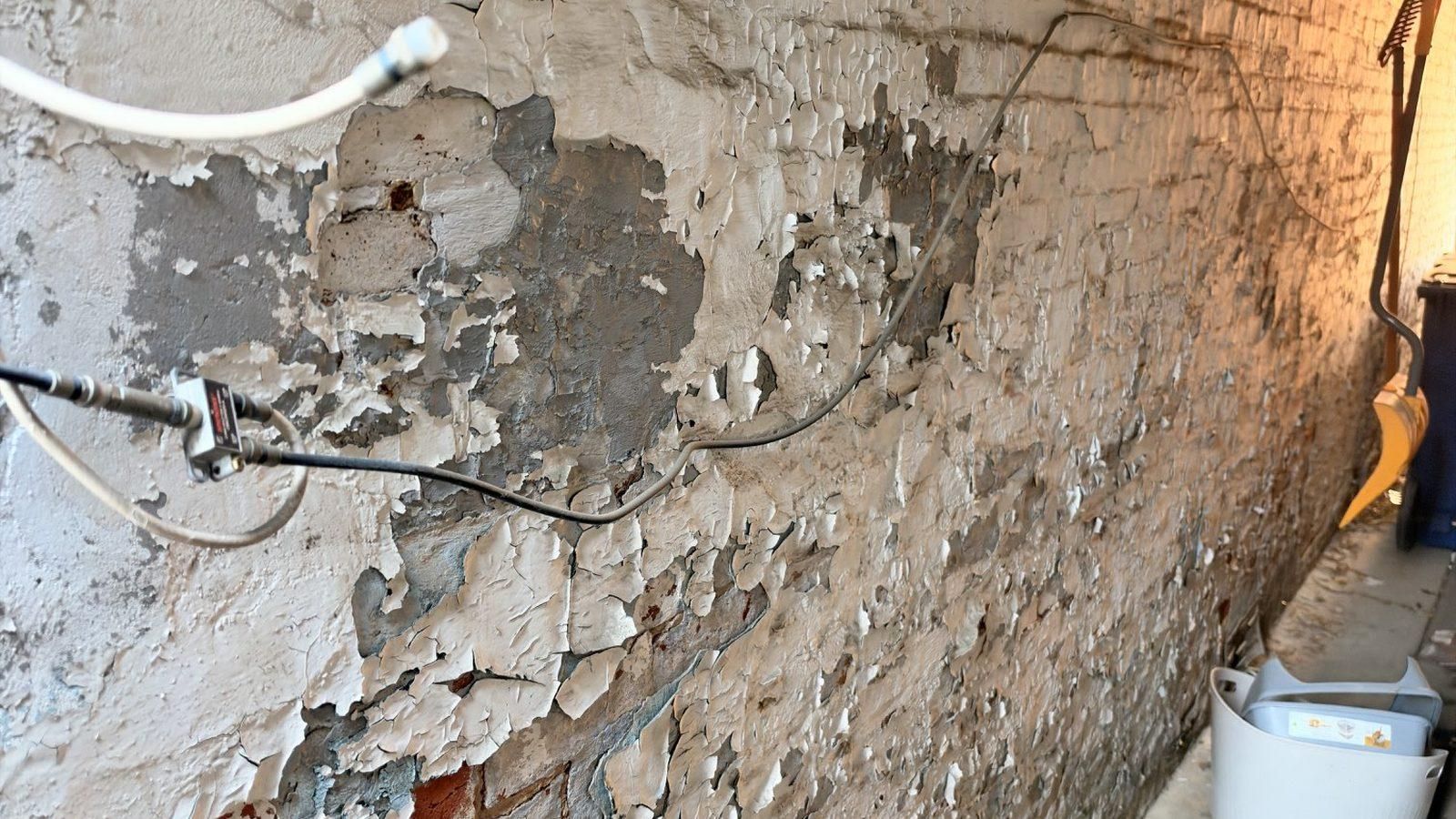
What I saw on two walkthroughs
I walked two rentals that week, starting with that rowhouse. In a pre-1978 rental, chipping or peeling paint is an automatic problem, so the sallyport needs scraping and paint before any testing. In a rental, that work has to be done by a contractor accredited by the Maryland Department of the Environment, using lead-safe methods.
Inside, I had two worries: the original trim inside a door, and the trim around a stained glass window. Old painted wood like that tends to fail a lead test.
The second was a condo built after 1978. Maryland's rental lead law covers homes built before 1978, so it skips the lead step.
Two ways to handle lead in an older rental
If your house was built before 1978 and you rent it out, Maryland requires you to register it with the Maryland Department of the Environment (MDE) and renew it every two years, by December 31 of the renewal year. The fee is $75 a unit as of November 2026. Before each new tenant moves in, the house needs a valid lead inspection certificate, unless it's certified lead-free. That leaves you two paths:
- A lead dust test at every turnover. MDE calls it a Full Risk Reduction inspection. The inspector wipes surfaces in every room and sends samples to a lab, so the price depends on the room count. For this house, I'd budget roughly $200 to $250 each time, and more for a bigger one.
- A lead-free or limited lead-free certificate. The inspector uses an XRF gun, which reads through decades of paint layers. Limited lead-free means the inside tests clean and the outside paint stays intact. In my experience, the XRF test runs around $300. After that, a tenant change needs nothing inside. The catch is that a limited lead-free certificate is only good for two years, so the exterior has to pass a re-inspection before it expires. Let it lapse, and you're back to a dust test at every turnover until you recertify.
Which one wins comes down to how long you'll rent. A ten-year tenant makes the dust test cheap. Yearly turnover makes it a recurring bill.
Test a sample before you pay for both
Here's the trap. You go for lead-free, one piece of old trim fails, and now you've paid for the XRF test and still need dust tests. That's $500 or more on one house before the first tenant moves in.
So I have the inspector sample suspect spots first. If it's one small piece, replacing it can sometimes keep lead-free within reach. Ask the inspector what counts before tearing anything out, and use an accredited contractor for the removal. I learned this the hard way: in one of my own rentals, an original window failed, and we had to pull it out.
If you're buying or selling an older house
Shopping for North Baltimore rowhouses, detached homes, and condos? Check the year built first. It decides which lead rules apply if you ever rent. If you're browsing my Hampden homes and neighborhood guide or my Charles Village homes and neighborhood guide, most of those rowhouses went up long before 1978. Ask the seller if the house has ever had a lead certificate.
Selling a house that's been a rental? Have its lead certificate history ready, because an investor buyer will ask. And if the lead work changes your math on renting versus selling, run both. My Baltimore seller net sheet calculator shows what you'd keep from a sale, so you can compare it with the rent. If you're leaning toward renting, my post on what to fix before you rent out your Baltimore house covers the license and the rest of the prep.
Quick answers
Do I need a lead certificate to rent out my Baltimore house? If it was built before 1978, yes. Maryland requires you to register it, renew every two years, and have a valid lead inspection certificate at each new tenancy, unless the home is certified lead-free.
What's the difference between lead-free and limited lead-free? Lead-free means no lead paint inside or out, and the home is exempt from registration fees. Limited lead-free means the interior is lead-free and the exterior paint is intact. A tenant change needs nothing inside, but the certificate lasts two years, so the exterior has to be re-inspected before it expires.
Does a newer condo need a lead certificate? No, not if it was built in 1978 or later. Maryland's rental lead law covers homes built before 1978.
Ready to rent it or sell it?
I've managed Baltimore rentals since 2014, and the lead step is where first-time landlords lose the most time. Deciding whether to rent your older house or sell it? I'll walk it with you and map out the lead path before you spend a dollar. Call or text me at (410) 905-6678, or see how I'd sell your Baltimore home.
Rules checked November 2026 with the Maryland Department of the Environment: Inspections for Rental Housing and Lead Registration for Landlords. Costs are my estimates from recent jobs; actual prices vary.
Categories
Recent Posts



Search homes for sale
Homes for sale in North Baltimore
Every link opens a live search on this site, newest listings first.
Start here
By home type
Guides for this area:
Nearby searches:
Counts update live. Listing data from Bright MLS.
Thinking about selling?
Get a free, no-obligation estimate of what your home is worth, or see what you'd walk away with after costs and taxes. I help sellers from North Baltimore to Towson.
GET MORE INFORMATION

Sales Director, Realtor License ID: MD: 662897 / PA: RSR005460
+1(410) 905-6678 | mike@mykeyhometeam.com