
Utilities in North Baltimore, MD: Providers, Setup, and How Your Home Type Shapes the Bills
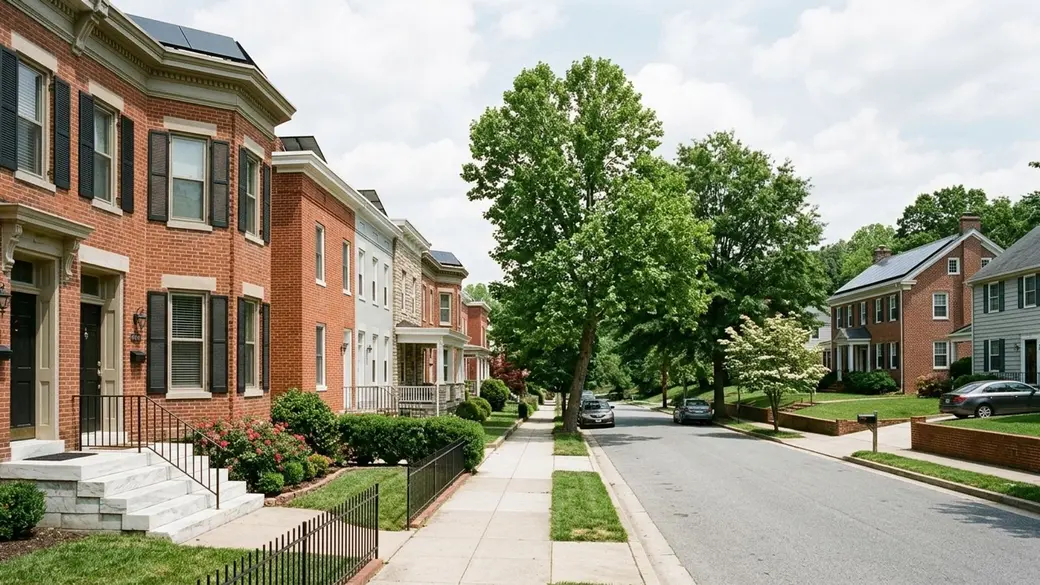
In North Baltimore, you don't spend time shopping for utility providers. BGE delivers the power and gas, and Baltimore City's municipal water system serves the area. The choices that dictate your monthly expenses happen long before you turn on the lights.
The decisions that change your bills are the type of home you buy and what you check before settlement. Townhouses made up 153 of 296 sales in the 90 days ending Sept. 30, 2026, selling for around half the price per square foot of single-family homes.
Key Takeaway
Most North Baltimore addresses get electricity and gas from BGE and water and sewer from Baltimore City's system. The provider list is short, so the bigger cost decision is the home itself. A townhouse, which had a $255,000 median sale price in the 90 days ending Sept. 30, 2026, has fewer exterior walls than a detached house and is the most common purchase here. If you'd prefer to fold some utilities into one payment, look at condos and ask what the fee covers.
Who This Guide Is For
You're buying or moving into a home in North Baltimore and need to know which companies you'll pay, what to set up before settlement, and how the home you choose will shape the monthly bills.
Who Provides Utilities in North Baltimore?
The provider setup here is straightforward. You won't spend days comparing utility companies for most services. BGE handles power and gas delivery; Baltimore City's public works department handles water. You open accounts with these established entities when you move in. Reviewing the pros and cons of living in North Baltimore, MD helps you prepare for other aspects of your move.
The term "North Baltimore" can blur the city-county line for buyers coming from out of state. A quick check on the Maryland SDAT real property search will settle whether a specific address falls in the city or the county. That boundary determines who bills your water, sewer, and trash.
Electricity and Natural Gas
BGE delivers electricity and gas to the area regardless of who supplies the energy. Buyers start service in their own name for the settlement date. Maryland lets you pick a third-party energy supplier, which we cover in the FAQ section.
Some older homes heat with oil or electric rather than gas, which changes who you pay. BGE traces its roots to the Gas Light Company of Baltimore, founded in 1816, making it the first gas utility company in the United States.
Delivery charges come from BGE whichever supplier you choose, so a cheaper supplier offer only touches part of the bill. Compare any offer with the price to compare printed on a BGE bill before you sign anything.
Water, Sewer and Stormwater
Baltimore City's Department of Public Works bills water, sewer, and a stormwater fee on a single bill tied to the property. The standard billing cycle for Baltimore City water customers is 30 days.
If you're looking at Baltimore County addresses just north of the city line, water still comes from the city system, but sewer charges show up differently. In the Baltimore County Metropolitan District, sewer and water distribution charges are billed annually on the July 1 property tax bill.
One thing to know: the account follows the property in the city, so a balance or an estimated reading from the seller's time can follow the house. The final reading at settlement matters. You don't want to pay for someone else's usage.
Trash and Recycling
In Baltimore City, trash and recycling are city services with set collection days. There's no separate monthly bill to sign up for, since the service is funded through city taxes rather than a dedicated fee. The Baltimore City DPW provides weekly curbside collection for both trash and recycling citywide, and residents find their specific day based on their designated collection zone.
Collection days, trash can rules, and bulk pickup schedules differ between the city and Baltimore County. A listing's description from a nearby county address might not apply, so confirm the days for the exact address on the city or county lookup.
Internet and Cable
Wired internet is the one utility where choice and price vary by address. Cable service is widely available, while fiber availability is uneven across Baltimore City. Check the exact address on the FCC National Broadband Map before relying on any provider. Don't assume high-speed fiber is ready to go just because a house is in a major city.
An address with one wired provider has no price competition. If you work from home, check service before you make an offer, not after you move in.
How Home Type Changes Your Utility Bills
The type of home you buy has a larger impact on your monthly utility costs than the rates themselves. Attached homes share heating and cooling burdens with neighbors, while detached homes bear the full brunt of the weather. These structural differences show up directly on your BGE bill.
Different property types also handle billing differently. Some buildings roll your water and heat into a single monthly fee; others leave every utility account in your name. The sections below show what each type covers so you can budget accurately.
Townhouses
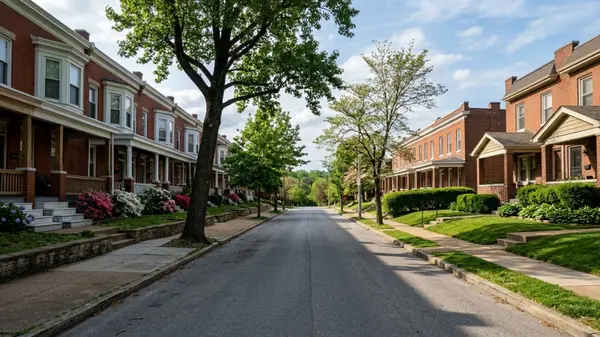
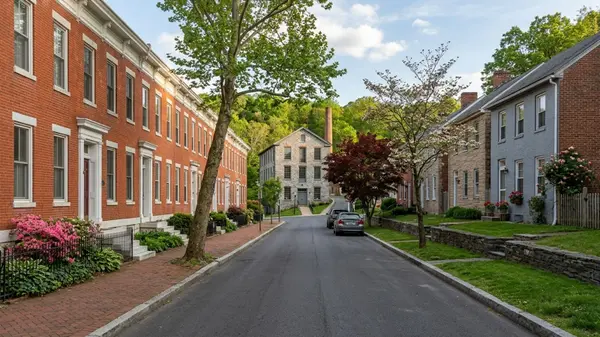
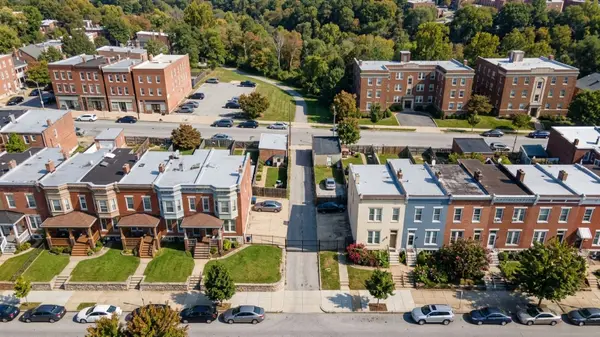
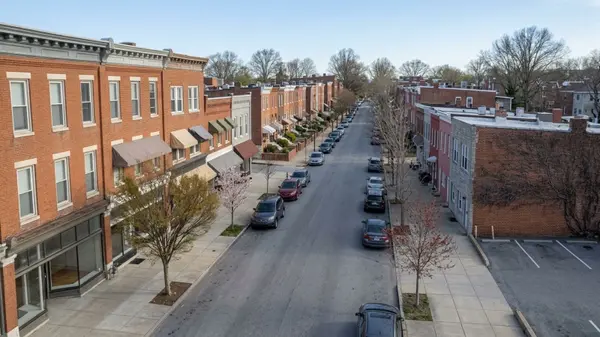
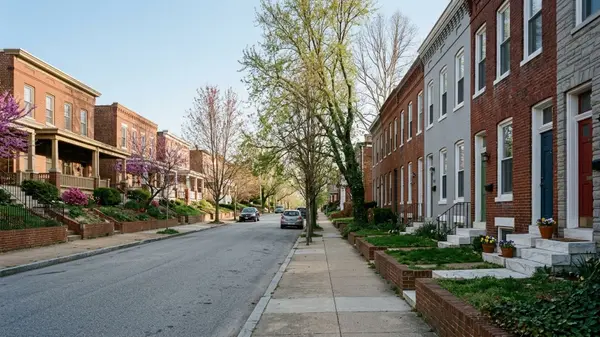
Townhouses made up more than half of all North Baltimore home sales in the 90 days ending Sept. 30, 2026, accounting for 153 of the 296 total sales. Shared walls mean fewer exterior surfaces losing heat, but each townhouse still carries its own BGE and water accounts. They offer the lowest price per square foot in the area, selling for a median of $176 per square foot.
The catch is that many are older rowhouses, and the age of the furnace, water heater, and windows can matter more to the bill than the shared walls do. Check the seller's disclosure and ask for the last 12 months of BGE usage rather than assuming a low bill.
Single-Family Homes
A detached house has more exterior wall and roof area, and often a yard to water. Heating, cooling, and water use tend to run higher than for an attached home of similar size.
These homes sold for a median of $532,412, and supply is tight at just 2.5 months of inventory. Buyers rarely get room to negotiate over an old HVAC system, so utility homework happens before the offer, not after. Budget for replacements up front rather than counting on concessions.
Condos
A condo fee may cover water, sewer, trash, and sometimes heat. That replaces separate bills rather than adding to them, which gives you a more predictable monthly housing cost.
Condos sold for a median of $214,900 and sat on the market for a median of 49 days. That slower pace gives you time to request HOA documents before committing. What varies is what the fee covers and whether it can rise, so ask the HOA or management company for the current fee, the list of covered utilities, and any planned increases or special assessments before you compare a condo's monthly cost to a townhouse's.
North Baltimore Housing Market at a Glance
These figures show recent home prices and market pace in the area, not utility costs.
- All homes: median sale price $308,414, up 4.6% year over year; 296 homes sold (90 days ending Sept. 30, 2026)
- All homes: median 36 days on market; 99.2% sale-to-list; 27.2% sold above list; 4.7 months of supply; 449 homes listed; $202 median price per sq ft (90 days ending Sept. 30, 2026)
- Single-family homes: median sale price $532,412, up 3.9%; 88 sold; median 36 days on market; 100.5% sale-to-list; 31.3% sold above list; 2.5 months of supply; 72 listed; $248 per sq ft (90 days ending Sept. 30, 2026)
- Townhouses: median sale price $255,000, up 3.1%; 153 sold; median 33 days on market; 99% sale-to-list; 29.8% sold above list; 5.5 months of supply; 274 listed; $176 per sq ft (90 days ending Sept. 30, 2026)
- Condos: median sale price $214,900, up 3.3%; 46 sold; median 49 days on market; 98% sale-to-list; 11% sold above list; 4.4 months of supply; 65 listed; $201 per sq ft (90 days ending Sept. 30, 2026)
Setting Up Utilities When You Buy in North Baltimore
Getting your accounts ready requires a few checks before you write a contract, followed by specific steps right before closing. You want to know what you're buying before you commit to the monthly carrying costs, and gathering this information early prevents surprises after you move in.
The timeline matters because transferring a municipal water account takes more coordination than starting an electric bill. Waiting until the week of closing can cause delays. A smooth handover keeps the lights on and the water running on day one.
Before You Make an Offer
Confirm whether the property is in the city or the county on the state property search. Ask the seller for 12 months of BGE bills or usage history to see what it costs to run the house. Read the disclosure for the heating fuel and the ages of the furnace and water heater. Check internet providers for the exact address to make sure you have the speeds you need.
Townhouses have 5.5 months of supply, which gives a buyer room to ask for usage history or a credit. Mike Fielder can request utility history from the listing agent if you want to see the numbers before drafting an offer.
One important qualifier: sellers don't have to hand over bills, and their usage reflects their own habits and household size. Treat the history as a guide to the house's systems, not a promise of your bill.
At Settlement and Move-In
A final water meter reading is ordered for a Baltimore City sale so the bill is adjusted properly between the seller and the buyer. Set your BGE and water start dates to align exactly with the settlement date. Confirm your trash days with the city so you know when to put the bins out. Ask the settlement agent to confirm the final water reading is ordered and appears on the closing disclosure.
A final reading takes time to order, and a late request can delay or complicate settlement. Ask about it when the contract is signed, not the week of closing.
How to Narrow Your Search by Utility Costs
When you start looking at homes, a few questions help narrow things down.
- Is the address in Baltimore City or Baltimore County? That decides who bills water, sewer, and trash, so check it first on the state property search, then read the sections on water and trash above.
- Are you choosing between a townhouse and a detached house? Compare the townhouse and single-family home profiles, and ask for 12 months of BGE usage on both before you decide.
- Would you rather have water or heat folded into a monthly fee than billed separately? Go to the condo section and get the HOA's list of covered utilities.
- Are you close to making an offer? Go straight to the setup steps for settlement.
If you want the most house for your money with your own utility accounts and fewer exterior walls, start with townhouses. They have the lowest price per square foot and the most supply, so you have room to ask for BGE usage history or a credit for old systems.
If you want some utilities rolled into one predictable monthly payment, start with condos. The fee may cover water, sewer, trash, or heat; request HOA documents early since the 49-day median market time gives you room to review them before committing.
If you want a detached house and can absorb higher heating and water use, start with single-family homes. They're the only option with no shared walls, but supply is the tightest, so price in system replacements rather than counting on negotiation. Mike Fielder can help compare utility histories across a shortlist of homes.
North Baltimore Utilities FAQs
What Is Considered North Baltimore?
North Baltimore is officially mapped as part of a Community Statistical Area (CSA) by the Baltimore City Department of Planning. The relevant CSA covering this area is listed as "North Baltimore/Guilford/Homeland" on the city's official neighborhood health profile listing. The jurisdiction of an address changes who bills water, sewer, and trash, so confirm it on the Maryland SDAT real property search.
How Much Is the Water Bill in North Baltimore?
It depends on your usage and the current rates set by the city. Baltimore City's Board of Estimates approved multi-year increases for water, sewer, and stormwater charges covering fiscal years 2025-2027. Current monthly fixed and variable rate components are published in the DPW's official recommended rate schedule, and you should look at a seller's past water bills to check costs for a specific house.
Do Homes in North Baltimore Have City Water or Well Water?
Homes in North Baltimore have city water. North Baltimore is located within Baltimore City, where public water is standard, while private wells and septic systems are typical farther north in the separate Baltimore County jurisdiction. In Baltimore County, new homes constructed outside the public water and sewerage service area require a private water well and onsite sewage disposal system.
Does an Unpaid Water Bill Transfer to the Buyer in Baltimore City?
Yes, an unpaid water bill can attach to the property as a lien. Under Maryland law, Baltimore City cannot enforce a water or sewer lien on residential property through the annual tax sale. The charges stay with the property, which is why a final reading is ordered at settlement to ensure the seller's balance is paid at closing.
Can I Choose a Different Electricity or Gas Supplier than BGE?
Yes. Standard Offer Service is the electricity supply service sold by electric utility companies to customers who don't choose an alternative, but the Maryland PSC requires the utility to provide a price to compare so you can evaluate retail offers. BGE still delivers the energy and bills the delivery charges regardless of who supplies it.
Is There Help Paying Utility Bills in Baltimore?
Yes. Residents of Baltimore City are eligible for the Water4All program if their household income is below 200% of the Federal Poverty Level. For 2026, a 4-member household with an annual income less than $66,000 may qualify for this program, which calculates a maximum household payment based on annual income.
Sources
- Redfin: Data Center
- BGE: Company Information
- Maryland Public Service Commission: Standard Offer Service
- Baltimore City DPW: Recommended Rates
- Baltimore City DPW: Understanding Your Water Bill
- Baltimore County: Metro Finance Rates
- Baltimore City DPW: Trash Collection
- Maryland General Assembly: Statute Text
- Baltimore City DPW: Water4All
- Baltimore City Health Department: Neighborhood Health Profiles
- Baltimore County: Building with Well and Septic
Categories
Recent Posts
GET MORE INFORMATION

Sales Director, Realtor License ID: MD: 662897 / PA: RSR005460
+1(410) 905-6678 | mike@mykeyhometeam.com