
Evaluating Things to Do in Owings Mills, MD: A 2026 Relocation Guide
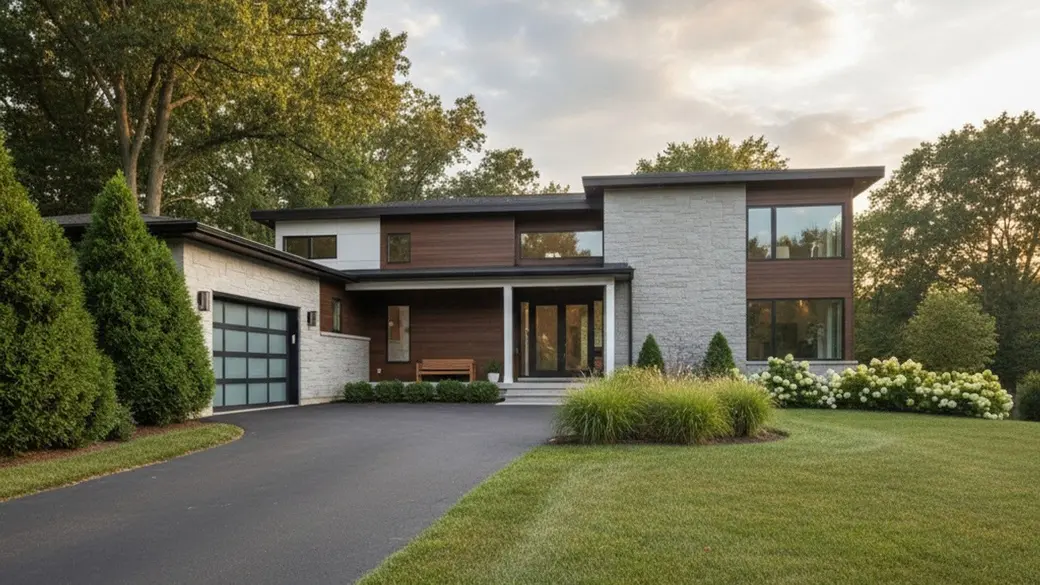
Owings Mills, Maryland, serves as a major residential and commercial hub in Baltimore County. Prospective homebuyers evaluating the area often look closely at the local amenities, infrastructure, and daily lifestyle offerings to determine if the location fits their needs. Understanding the layout of the community helps buyers map out their routines before committing to a property.
The local real estate market in 2026 features a mix of high-density transit-oriented developments and sprawling suburban subdivisions. When buyers ask about things to do in Owings Mills, MD, they are usually trying to gauge the balance between commercial convenience and outdoor recreation. This guide details the essential commercial centers, parks, and commute routes that define the local landscape.
Prominent Shopping and Dining Amenities
The commercial corridors in Owings Mills anchor the local real estate market and provide significant convenience for residents. Dense retail centers are strategically placed along the main traffic arteries, ensuring that daily errands do not require long drives. Proximity to these major shopping hubs often supports strong property valuations across the surrounding residential neighborhoods.
Buyers looking at homes in this sector of Baltimore County will find that modern retail developments have largely replaced older, traditional shopping malls. These updated commercial zones feature a mix of essential grocery anchors, national retail chains, and diverse dining options. The transition to open-air and mixed-use spaces reflects current 2026 market dynamics and consumer preferences.
Metro Center at Owings Mills
Metro Center at Owings Mills operates as a modern mixed-use development combining luxury apartments, office space, and extensive retail. The complex features over 150,000 square feet of commercial space, creating a highly walkable environment for residents occupying the immediate residential units. This transit-oriented hub allows locals to handle daily tasks, dine out, or access public transportation without needing a vehicle.
The development also integrates key community institutions directly into its footprint. A prominent branch of the Baltimore County Public Library and a campus for the Community College of Baltimore County sit within the center. Having these educational and civic resources embedded in a commercial zone adds a layer of practical utility to the neighborhood.
Mill Station and Foundry Row
Mill Station completely transformed the former indoor mall site into a massive 506,000 square-foot open-air lifestyle center. This sprawling retail destination is anchored by major tenants like Costco, Giant Food, and AMC Theaters. These high-profile anchors drive consistent local foot traffic and serve as the primary grocery and entertainment hubs for the northwestern county suburbs.
Just a short drive away, Foundry Row offers another high-density commercial destination focused heavily on daily dining and specialty shopping. Together, these two retail powerhouses supply nearly all the essential goods and services required by local homeowners.
Key Outdoor Recreation and Trails
Beyond the dense commercial zones, Owings Mills contains significant green spaces and protected natural areas. Access to expansive acreage and established trail systems adds a distinct premium to local property appeal. Homebuyers often prioritize these natural amenities when choosing a location outside the immediate Baltimore city limits.
The contrast between the busy retail corridors and the quiet, preserved landscapes is a defining characteristic of the local geography. Residents do not have to travel far to find dense forests, unique ecological reserves, and miles of hiking trails. The availability of these outdoor resources plays a major role in stabilizing long-term housing demand.
Irvine Nature Center
The Irvine Nature Center occupies a 211-acre campus dedicated to environmental education and habitat preservation. The facility maintains over eight miles of hiking trails that wind through meadows, wetlands, and dense woodlands. These accessible grounds provide an excellent venue for birdwatching, photography, and daily outdoor exercise.
The center also functions as a valuable educational resource, offering structured programs and exhibits focused on regional ecology. Non-members can access the extensive trail network for an approximate $5 admission fee. This accessible natural space serves as a major asset for buyers seeking properties with nearby recreational outlets.
Soldiers Delight Nature Environment Area
Soldiers Delight Natural Environment Area encompasses roughly 1,900 acres of protected land known for its rare serpentine barren ecosystem. The unique soil composition supports over 39 rare, threatened, or endangered plant species that are not found anywhere else in Maryland. To protect this fragile landscape, the state strictly enforces pedestrian-only rules across the entire reserve.
Visitors can explore the area via seven miles of designated hiking trails that navigate the distinct rocky terrain. Properties situated near the borders of this expansive reserve benefit from the guarantee of undeveloped adjacent land.
What Living Here Actually Looks Like
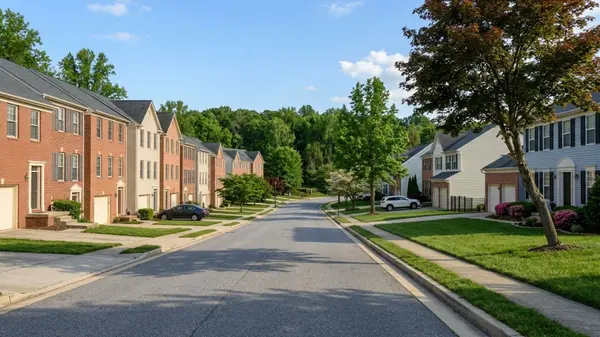
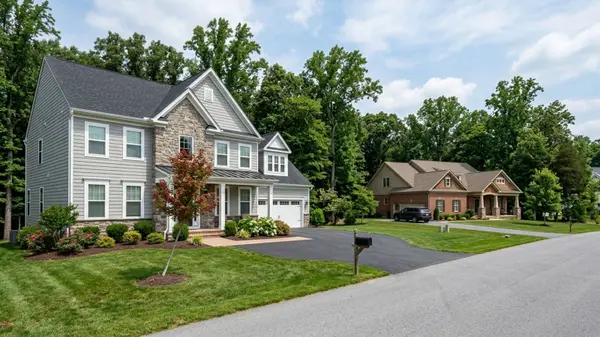
The local housing inventory in Owings Mills presents a distinct mix of high-density mixed-use apartments, traditional single-family homes, and townhouses. The placement of these residential pockets is heavily influenced by the surrounding civic infrastructure. Proximity to Baltimore County Public Schools facilities, such as Owings Mills High School and Owings Mills Elementary School, often dictates neighborhood boundaries and daily traffic flow.
Buyers evaluating the area must consider how this infrastructure placement impacts their daily routines. The concentration of schools, municipal buildings, and transit hubs creates predictable congestion patterns during morning and afternoon peak hours. Understanding these objective geographical features allows buyers to choose a specific subdivision that aligns with their commuting preferences.
The ongoing development of road networks and utility infrastructure continues to support the expanding population in 2026. Municipal investments focus on maintaining the primary thoroughfares that connect the residential sectors to the commercial centers. A well-maintained infrastructure grid is a critical factor that sustains long-term property values in the region.
Commute Options and Proximity to Baltimore
Owings Mills functions as a highly strategic location for professionals commuting into downtown Baltimore. The area sits roughly 13 to 15 miles northwest of the city center, offering a clear geographic advantage for regional workers. Having access to both heavy rail and major highway systems stabilizes housing demand and provides residents with flexible travel options.
Evaluating the daily commute is a critical step for any buyer considering a move to this part of Maryland. The dual transit infrastructure means residents are not entirely reliant on a single mode of transportation. This flexibility becomes especially valuable during periods of highway construction or severe weather events.
Owings Mills Metro Subway Station
The Owings Mills Metro Subway Station serves as the northwestern terminus for the Maryland Transit Administration subway line. The Metro SubwayLink provides a direct, predictable connection to the city, allowing riders to bypass surface street traffic entirely. Fares range from approximately $2 to $7, with trains departing at reliable 15-minute intervals throughout the day.
Riders can expect an approximate 25-minute travel time from the station directly to the Charles Center stop in downtown Baltimore. Properties located within walking distance of the station often command a premium due to this transit convenience.
Driving via Interstate 795
For drivers, Interstate 795 serves as the primary commuting artery connecting the community directly to the I-695 Baltimore Beltway. During off-peak hours, drivers can typically reach the city center in a brisk 25 to 30 minutes. The highway features multiple access points distributed efficiently across the local commercial zones.
However, buyers should map out their expected driving routes before committing to a specific property. Rush hour congestion along I-795 and the connecting beltway can easily push drive times to 45 minutes or more. Understanding these daily traffic variations is essential for setting realistic lifestyle expectations.
Frequently Asked Questions
How long is the commute from Owings Mills to Baltimore?
The drive from Owings Mills to downtown Baltimore typically takes 25 to 30 minutes during off-peak hours. Rush hour traffic along Interstate 795 can extend this travel time to 45 minutes or longer. Alternatively, the Metro SubwayLink provides a predictable 25-minute train ride directly to the city center.
What are the major shopping centers in Owings Mills?
Mill Station is a massive 506,000 square-foot open-air center featuring major anchors like Costco and AMC Theaters. Metro Center at Owings Mills offers a walkable, mixed-use environment with over 150,000 square feet of retail and dining. Foundry Row serves as another highly concentrated hub for daily groceries and restaurant options.
Where can residents hike near Owings Mills?
The Irvine Nature Center provides over eight miles of scenic hiking trails across a 211-acre protected campus. For a more rugged experience, the Soldiers Delight Natural Environment Area features seven miles of trails through a unique 1,900-acre serpentine barren. Both locations offer extensive outdoor recreation just minutes from the main commercial corridors.
Categories
Recent Posts
GET MORE INFORMATION

Sales Director, Realtor License ID: MD: 662897 / PA: RSR005460
+1(410) 905-6678 | mike@mykeyhometeam.com