
How Much House Can I Afford in Owings Mills, MD: 2026 Buyer's Guide
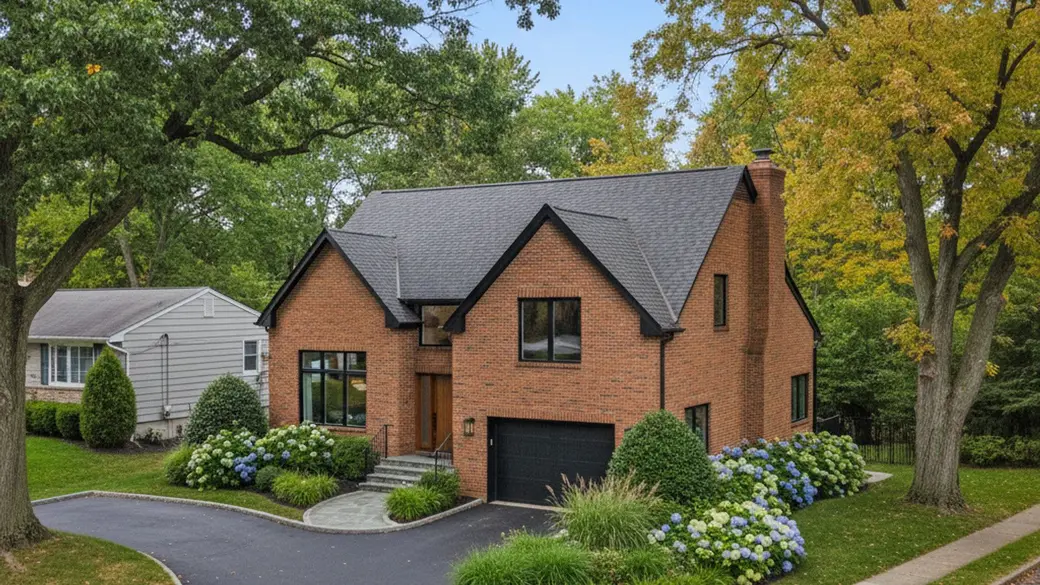
Figuring out your exact purchasing power requires looking at local numbers rather than national averages. Buyers entering the Baltimore County real estate market this spring need to account for specific local taxes and association dues. Owings Mills offers a diverse housing inventory, but understanding what fits your budget takes a bit of calculation.
The 2026 housing landscape here is shaped by steady interest rates and consistent demand for properties near transit hubs. Pinning down your affordability means looking closely at current borrowing costs and regional pricing trends. Knowing these figures upfront gives you a distinct advantage when negotiating with sellers.
Current Home Prices in Owings Mills, MD
The median home price in Owings Mills is currently hovering around $375,000 to $400,000 in early 2026. This price point reflects a competitive market where well-maintained properties command strong offers. Buyers will find that their budget dictates the type of property they can realistically pursue.
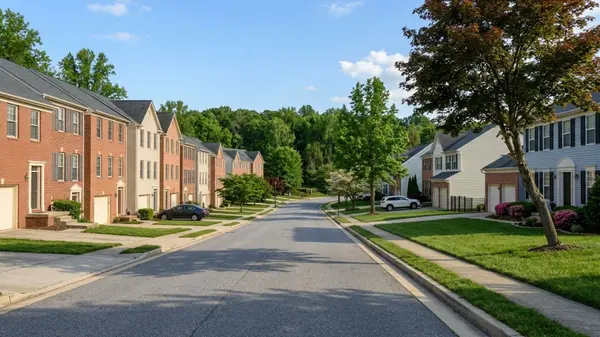
Condominiums offer the most accessible entry point, with units frequently starting in the high $200,000s. If you need more space, townhomes currently average between $320,000 and $380,000. These attached properties make up a significant portion of the local inventory and often feature updated interiors.
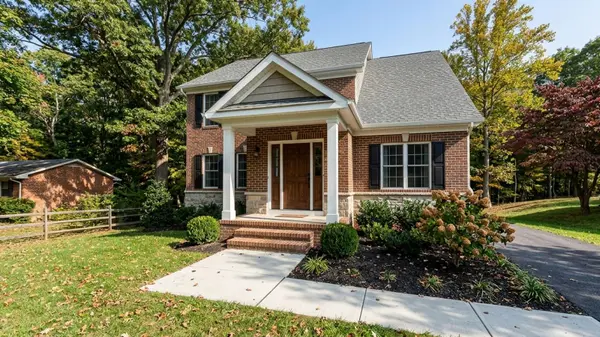
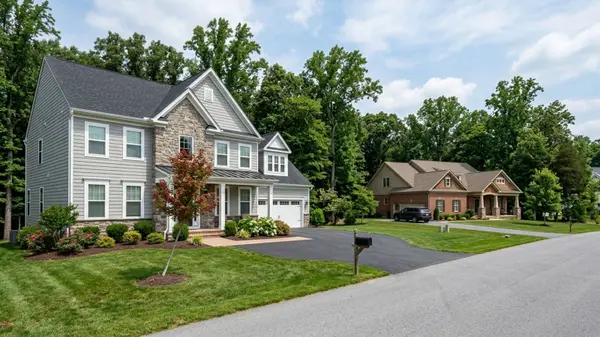
Detached single-family homes sit at the higher end of the spectrum, frequently listing above $450,000. Purchasing a standalone house here requires a stronger down payment and a higher qualifying income. Understanding these baseline prices helps you set realistic expectations before touring properties.
Factoring in Property Taxes and HOA Fees
Your monthly mortgage payment consists of more than just principal and interest. Baltimore County assesses real property taxes at a rate of $1.10 per $100 of assessed value in 2026. Factoring this specific tax rate into your budget is essential for accurately estimating your carrying costs.
Homeowner association fees also play a major role in local affordability. Single-family and townhome neighborhoods in the area typically charge HOA fees averaging $150 to $250 per month. These dues generally cover common area maintenance, snow removal, and neighborhood landscaping.
Condominium fees run considerably higher, frequently ranging from $300 to over $500 per month, depending on the specific building. While these higher fees often cover exterior maintenance and water bills, they directly reduce your maximum loan amount. You must calculate these hard costs into your debt-to-income ratio to avoid overextending your budget.
Income and Mortgage Rate Affordability Breakdown
Current Maryland mortgage rates in April 2026 are sitting at approximately 6.0% to 6.4% for a 30-year fixed loan. The exact interest rate a lender offers you will depend heavily on your credit score and down payment size. Even a minor rate reduction can significantly increase your purchasing power over the life of the loan.
A traditional 20% conventional down payment removes mortgage insurance and lowers your monthly obligation. Conversely, utilizing a 3.5% down payment through a Federal Housing Administration loan requires less cash upfront but increases your monthly carrying costs. Buyers must weigh these options carefully against their available savings.
To comfortably afford a median-priced $400,000 home here, buyers generally need a household income of roughly $85,000 to $100,000. For example, buying a $400,000 property with 20% down at a 6.1% rate results in a principal and interest payment of roughly $1,939. Once you add local taxes and insurance, you quickly see why a solid income foundation is necessary.
Local Infrastructure and Commute Times
Owings Mills provides excellent connectivity for residents commuting throughout the greater Baltimore region. The area features a mix of major highways and public transit options that streamline daily travel. Evaluating commute times is a crucial step when deciding if a specific location aligns with your daily routine.
The proximity to major retail centers also reduces the need for long weekend drives. Establishments like the Metro Centre at Owings Mills provide dining and shopping right in the heart of the community. Having these amenities nearby saves residents both time and transportation costs.
The local infrastructure adds tangible value to the housing market here. Properties located closer to major transit points often hold their value well during market fluctuations. Buyers should consider how the following local features impact their lifestyle and long-term property values:
-
The Owings Mills Metro Station provides a direct rail link to downtown Baltimore, bypassing highway traffic entirely.
-
Commuting into the city via I-795 takes approximately 25 to 35 minutes, depending on the time of day.
-
Residents have immediate access to expansive recreational facilities like the Irvine Nature Center and the Soldiers Delight Natural Environment Area.
-
The local zip codes are served by Baltimore County Public Schools, with several campuses located within a short drive of major subdivisions.
FAQs About Affording a Home in Owings Mills
What salary do you need for a $500,000 mortgage?
Carrying a $500,000 loan balance in Maryland requires a gross annual income of roughly $120,000 to $130,000. This estimate assumes a 6.1% interest rate and accounts for standard Baltimore County property taxes. Lenders will apply the 28/36 rule to ensure your total debt does not exceed safe thresholds.
How much of a house can I afford if I make $70,000 a year?
A $70,000 salary typically affords a home in the $220,000 to $260,000 range under current market conditions. This budget aligns well with the condominium inventory or older townhomes available in Owings Mills. You must watch HOA fees closely at this price point to ensure you do not blow your monthly budget.
Can I afford a $300,000 house on a $50,000 salary in Owings Mills, MD?
Purchasing a $300,000 house on a $50,000 salary is generally unrealistic given the current 6.0% to 6.4% mortgage rates. The monthly payment, combined with Baltimore County taxes and insurance, would push your debt-to-income ratio far above lender limits. Buyers in this income bracket should target properties closer to $180,000 or focus on increasing their down payment.
What credit score do I need to buy a $400,000 house?
You can qualify for a $400,000 home with a credit score as low as 580 if you use an FHA loan. Conventional loans typically require a minimum score of 620 to secure approval. Higher credit scores will unlock better interest rates, which lowers your monthly payment and increases your overall buying power.
Categories
Recent Posts
GET MORE INFORMATION

Sales Director, Realtor License ID: MD: 662897 / PA: RSR005460
+1(410) 905-6678 | mike@mykeyhometeam.com