
What to Expect When Moving to Towson, MD in 2026
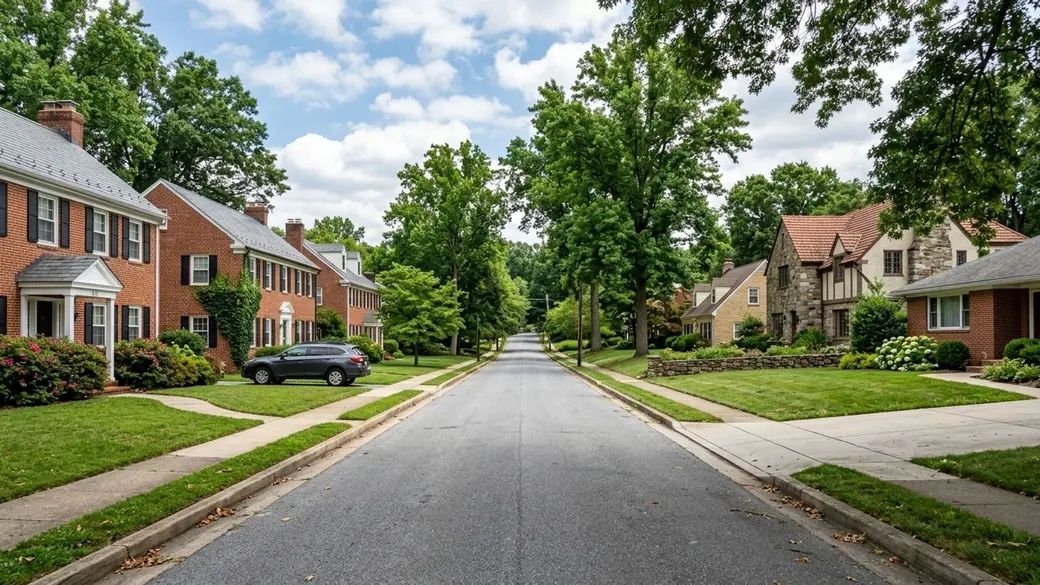
Towson has a population of around 59,500 and serves as the county seat of Baltimore County, a status that shapes many of the pros and cons of living in Towson. It's not an incorporated city - it's an unincorporated census-designated place, which gives it an unusual mix of dense suburban infrastructure and direct county government services running the show locally.
If you're relocating here, you're essentially getting access to the broader Baltimore metropolitan job market while keeping some distance from the city itself. Most buyers I work with are weighing commute times against housing costs and local amenities. That calculation is worth doing carefully, so let me walk you through what matters.
Where Towson Is Located and Local Geography
Towson sits about seven miles north of downtown Baltimore. That's close enough to make it a natural landing spot for people working in the city center, and far enough to feel like a different world on a quiet Sunday morning.
The area connects to major regional transit routes, and the drive into Baltimore typically takes under 30 minutes - though rush hour is rush hour, and you should account for that in your daily planning.
County and Metro Proximity
Towson falls entirely within Baltimore County, Maryland. As the official county seat, it's where the municipal buildings and courthouses are. That means a lot of stable government employment is based right here.
Because it sits within the Baltimore metropolitan area, residents tap into the broader region's economic and transit networks. Major hospitals, universities, and corporate headquarters are a short drive south.
ZIP Codes and Boundaries
The community splits across a few postal zones. The primary standard ZIP code is 21204, covering the downtown core and the streets immediately around it. The eastern and northern sections fall under 21286.
Towson University runs on its own ZIP code - 21252 - for campus mail. If you're renting a P.O. box, you're looking at 21284 or 21285.
What It Is Like Living in the Area
Daily life here is a blend of university energy, serious retail infrastructure, and established residential blocks that have been here for decades. Towson University keeps a steady stream of students and academic staff cycling through the local economy, which shapes the commercial scene in ways that cut both ways - more restaurants and activity, but also more traffic and noise near campus.
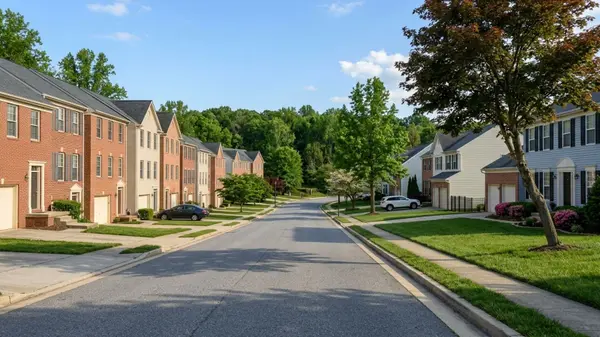
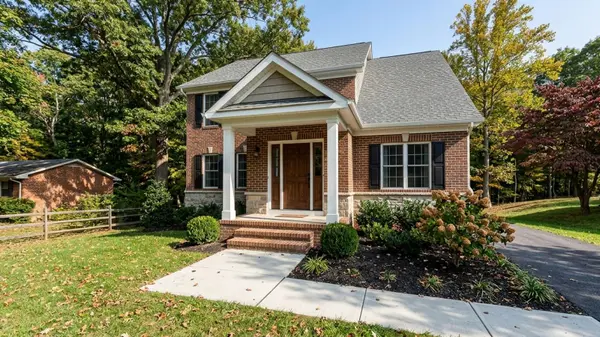
The housing stock is genuinely varied. You'll find historic brick construction alongside modern condominium developments, and the pace of life shifts noticeably depending on which part of town you're targeting.
Who Buys Homes Here
This market draws a wide range of buyers. Commuters value the short drive south into Baltimore. University faculty and staff look for housing close to campus. Buyers focused on schools often prioritize properties zoned for Baltimore County Public Schools - local options include Riderwood Elementary, West Towson Elementary, and the George W. Carver Center for Arts & Technology.
Pros and Cons to Weigh
The volume of amenities here is a real advantage. Large-scale retail, local dining, and county services are all close by without any need to drive into Baltimore. That convenience is hard to overstate when you're comparing suburban options.
The density does come with trade-offs. Traffic gets congested near the university and the major shopping centers, particularly during the academic year. Inventory is tight - only about 112 homes were available recently, representing a 1.9-month supply - so when a property you like hits the market, you don't have the luxury of sleeping on it.
Local Lifestyle and Pace
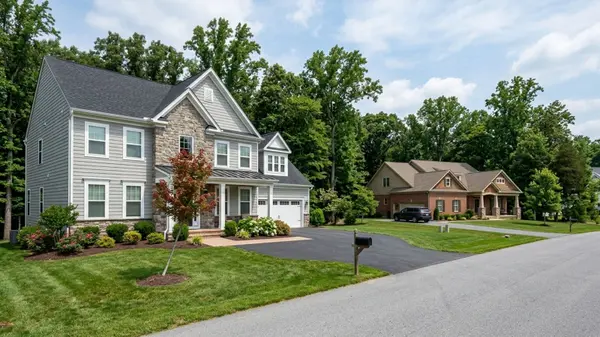
Downtown streets see steady foot traffic throughout the week. The residential subdivisions sitting a few blocks away offer a noticeably quieter environment - that contrast is one of the things buyers find appealing once they spend time here. The commercial center leans toward urban density; the neighborhoods just behind it feel much more suburban.
Housing Costs and Everyday Expenses
The median sale price recently came in at approximately $464,692, and homes are moving - roughly 34 days on the market before going under contract. With an average sale-to-list ratio of 101.2%, expect to compete. Properties are regularly selling slightly above asking price.
That 1.9-month supply figure I mentioned isn't a detail to skim past. It means you're operating in a seller's market, and your offer strategy needs to reflect that.
Current Home Prices and Property Taxes
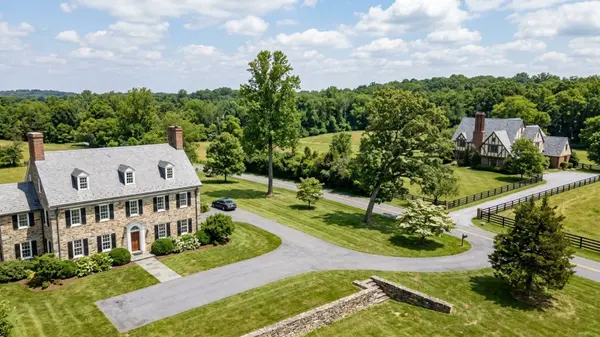
Pricing varies by neighborhood and condition. Some data models place average values closer to $483,977, while premium historic homes go well above that. The $464,692 median is a useful reference point, not a ceiling.
Don't forget Baltimore County property taxes when you're running your numbers. The effective rate is approximately 1.07% to 1.10%. On a home valued near $349,300, that works out to a median annual tax bill of roughly $3,736.
Renting an Apartment
The rental market here serves a large pool of students, young professionals, and people in transition. Median rent estimates fall between $1,784 and $2,100 per month, depending on the building's age and how close it sits to the university. Recent reports peg median rents around $1,848 for standard apartments. Luxury buildings in the downtown core push toward the top of that range.
Utilities and Groceries
Everyday costs track with the broader Baltimore metropolitan average - standard regional rates for electricity, water, and internet. Grocery prices are consistent with typical East Coast suburban pricing, and the number of local supermarkets keeps basic food costs competitive.
Neighborhoods to Consider
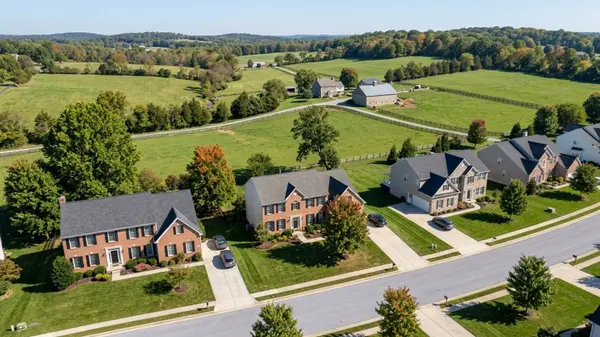
The housing landscape runs from historic subdivisions with real character to newer developments that prioritize convenience. Some buyers want a walkable historic street; others want a more traditional suburban layout with a driveway and a yard. Both exist here.
Price points and architectural styles vary enough that knowing what you want before you start touring saves a lot of time.
Top Areas for Buyers
Rodgers Forge is the neighborhood I hear about most often - 1930s and 1940s brick rowhouses, strong walkability, and a tight-knit feel. Stoneleigh, West Towson, and Dulaney Towers round out the list of premium areas worth your attention.
If you're working with a tighter budget, Loch Raven Village is worth a serious look. The entry price is lower while still keeping you connected to local amenities.
The Downtown Housing Market
Downtown Towson skews toward condominiums, apartments, and townhomes - a more compressed, urban-style arrangement. You're trading yard space for proximity to county offices, restaurants, and retail. It works well for buyers who don't want lawn maintenance and like being able to walk to things.
Dining, Shopping, and Entertainment
Residents here genuinely don't need to leave town for most shopping or dining. This area functions as a regional retail destination for a significant portion of Baltimore County, and the university's presence creates consistent demand for casual dining and entertainment venues.
Downtown Dining
The downtown district has a dense cluster of restaurants, cafes, and bars. You'll find everything from quick-service spots catering to students to proper sit-down restaurants that work fine for a business lunch. Most of them concentrate along the main thoroughfares, so you can walk from shopping to dinner without moving your car.
Retail Centers and Malls
Towson Town Center anchors the retail landscape - it's one of Maryland's largest indoor shopping centers, and it draws traffic from well outside the immediate area. Beyond the main mall, there's a solid mix of strip centers, big-box retailers, and independent boutiques spread around town. Errands are easy to consolidate here.
Community Events
The town runs a regular calendar of seasonal events, farmers markets, and university-affiliated gatherings. Most happen in the central plazas or near the courthouse grounds. County initiatives and student organizations both contribute to keeping that calendar active.
Planning Your Pre-Move Visit
Spend time here before you commit. Traffic patterns and neighborhood rhythms are things you need to experience, not just read about. There are solid lodging options right in the center of town, and I'd encourage you to use them rather than staying downtown Baltimore - you'll get a much more accurate read on the daily commute and the evening noise levels.
Where to Stay in Town
Several major hotel chains operate in the downtown district. Staying centrally lets you walk the commercial streets, test the walkability, and get a feel for the area on foot. These hotels primarily serve visiting university parents and corporate travelers doing county business, so they're comfortable and well-located.
Nearby Accommodations
If you want to save a little money, options along the major highway corridors just outside town can keep you within a ten-minute drive of the neighborhoods you're considering. Widening your search into the broader Baltimore County area also opens up short-term rental possibilities.
Frequently Asked Questions
Is Towson, MD a good place to live?
Yes. Strong mix of suburban housing, major retail, and a reasonable commute into Baltimore. The presence of Towson University and the county government offices provides a stable local economic base.
How much does it cost to live in Towson, MD?
The median home sale price sits around $464,692, with an effective property tax rate of 1.07% to 1.10%. Renters should expect to pay between $1,784 and $2,100 per month for an apartment.
Is Towson, MD safe?
Safety varies by neighborhood and proximity to commercial corridors, as it does in any busy county seat and university town. Review Baltimore County Police Department data for the specific streets you're considering.
What county is Towson, MD in?
Baltimore County. It's the official county seat and operates as an unincorporated census-designated place.
What are the best neighborhoods to look for a home in Towson?
Rodgers Forge, Stoneleigh, West Towson, and Dulaney Towers are the premium residential areas. Buyers working with more budget sensitivity often target Loch Raven Village.
What is there to do for fun in downtown Towson?
A dense concentration of restaurants, bars, and cafes, plus the Towson Town Center - one of the largest indoor shopping malls in Maryland.
Where should I stay when visiting Towson to house hunt?
Book a room at one of the major hotel chains in the downtown district. Staying centrally lets you test the walkability, get a feel for the dining scene, and experience the neighborhood without needing to drive everywhere.
Categories
Recent Posts
GET MORE INFORMATION

Sales Director, Realtor License ID: MD: 662897 / PA: RSR005460
+1(410) 905-6678 | mike@mykeyhometeam.com