
Worthington Valley vs Worthington in Owings Mills, MD: 2026 Real Estate Guide
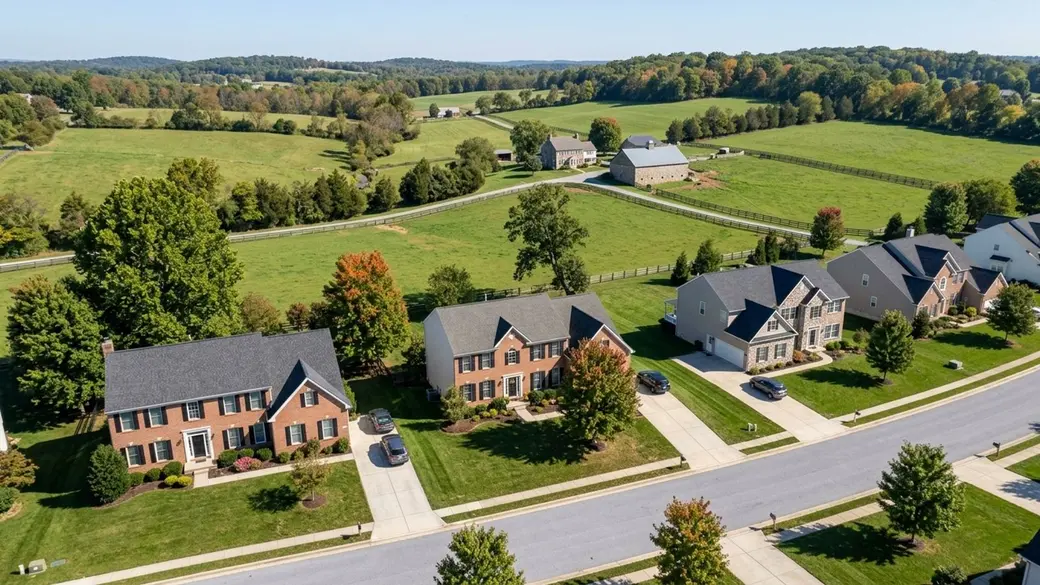
The Owings Mills real estate market moves at a steady pace - homes are spending about 34 days on the market before going under contract. If you've been searching in the best neighborhoods in Owings Mills, you've almost certainly run into two very similar names: Worthington and Worthington Valley.
They share a name. That's about where the similarities end. These two areas offer completely different housing types and lot sizes, and understanding the distinction will save you a lot of time sorting through listings that don't match what you're looking for - whether that's a subdivision home near local retail or an equestrian estate with serious acreage.
Geographic Boundaries and Area Layout
Here's something that trips up a lot of buyers: there's no single authoritative parcel map that draws a hard line between these two locations. Listings sometimes use the names interchangeably, which only makes the confusion worse when you're browsing online.
Generally speaking, Worthington refers to the suburban neighborhoods northeast of Owings Mills and southeast of Glyndon. Worthington Valley sits further out - a rural equestrian district that borders the edge of Owings Mills and stretches toward Cockeysville and Hunt Valley in the 21136 ZIP code.
Roads Defining the Worthington Neighborhood
The main residential sections of Worthington are built around a few central roads - Park Heights Avenue, Walnut Avenue, and Greenspring Avenue carry most of the traffic through this part of town.
Those streets connect the local subdivisions to Owings Mills Boulevard, which runs south from Bond Avenue near Glyndon down to Liberty Road. That layout keeps you close to the main commercial corridors along Reisterstown Road and MD 140.
The Rural Setting of Worthington Valley
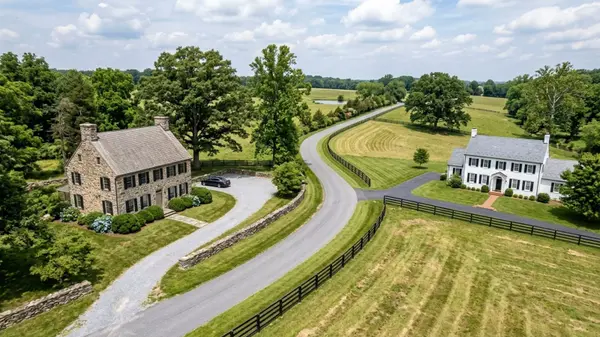
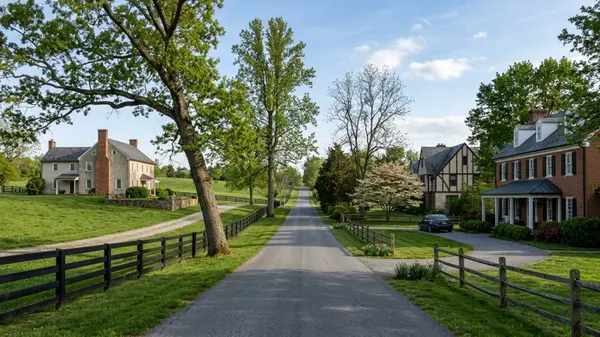
Worthington Valley sits roughly 20 miles northwest of downtown Baltimore and feels noticeably less developed. Zoning here favors large-lot, low-density properties - the open space is protected, not incidental.
This is the district known for private country clubs and expansive equestrian facilities. If you want land to keep horses, or you just want quiet, this is where buyers end up looking.
Real Estate Market and Home Prices
The broader Owings Mills area carries a median sale price of around $380,000 right now, with demand steady enough that about 43% of recently sold homes closed above asking price.
Those town-wide figures don't tell the whole story for properties carrying the Worthington name. Prices in both the suburban neighborhood and the valley tend to run higher than the town median - though how much higher depends on the specific subdivision or estate you're looking at.
Pricing in Worthington Neighborhoods
Worthington isn't one uniform market. It includes several distinct subdivisions, each with its own price point. Recent data puts the median sale price in Worthington Park around $620,000, while homes in Worthington Glen run closer to $375,000.
Across the neighborhood as a whole, the range is wide. Legal and property records show values anywhere from $175,000 for smaller or older units up to $3 million for expansive custom builds.
Estate Pricing in Worthington Valley
Worthington Valley doesn't have a single median price - and that's not an oversight. The housing supply consists primarily of custom estates rather than uniform tract housing, so fewer homes sell each year and aggregate price data is less standardized than you'd find in a typical subdivision.
What you should expect: a premium, and a meaningful one. Properties here regularly price well above the Owings Mills median, reflecting both the acreage and the scale of the structures.
Housing Styles and Property Sizes
The most visible difference between these two locations is the land. How much of it comes with the house shapes everything else about the buying decision.
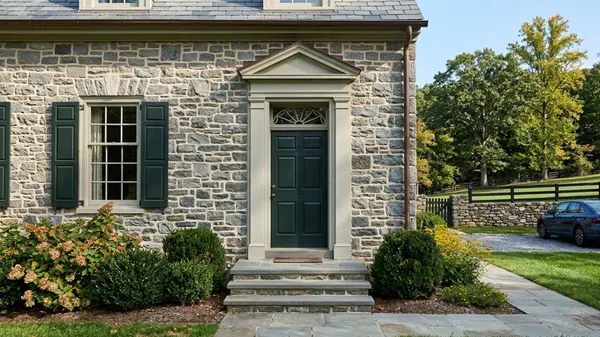
Architecture shifts as you move from the subdivisions into the rural district, too. The valley runs toward larger custom builds; the suburban neighborhood offers more traditional colonial and transitional designs.
Suburban Lots in Worthington
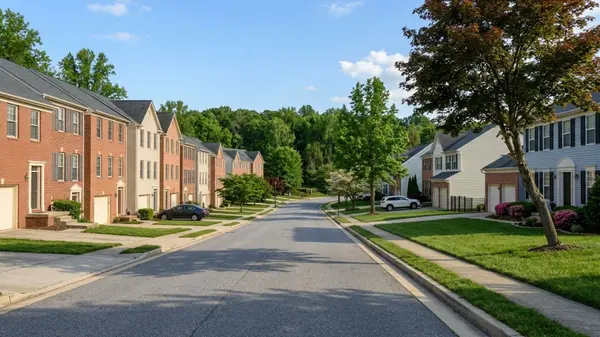
Worthington's subdivisions offer typical suburban lot sizes. In Worthington Park, lots generally range from zero to one acre - Worthington Woodsyde sits in similar territory, with parcels around one acre.
If you want a little more breathing room without going full rural, Worthington Estates is worth a look. Lots there run closer to four acres, which puts it somewhere between a standard subdivision and the open countryside of the valley.
Acreage in Worthington Valley
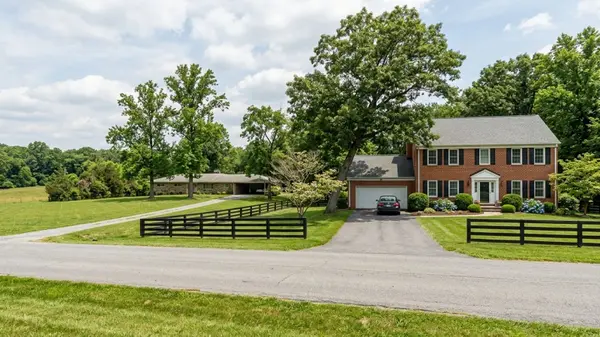
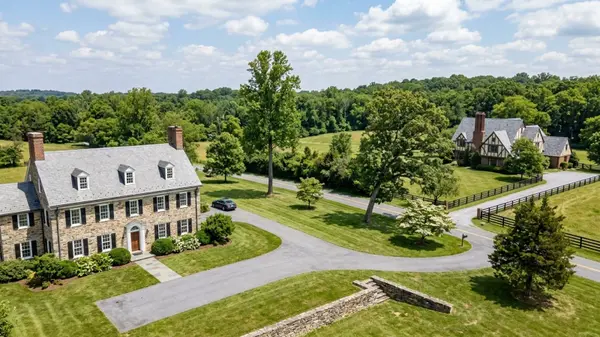
Worthington Valley is specifically zoned for low-density development - that zoning is the reason it looks the way it does, and it prevents the construction of tightly packed subdivisions. Estate-style homes on significant acreage are the norm here, not the exception.
The large parcels support the area's equestrian identity in a practical sense. Many properties include barns, paddocks, or enough open land for private riding facilities.
Commuting, Parks, and Local Amenities
Both areas connect to the major roads and commercial centers of Baltimore County. Interstate 795 - the Northwest Expressway - is the main highway linking Owings Mills to the Baltimore Beltway (I-695).
The valley feels remote, but it's still just minutes from I-795 and I-695. The suburban Worthington neighborhood sits within that same highway catchment area. Commutes into Baltimore are manageable from either location.
Parks and Outdoor Recreation
Worthington Valley residents tend to use Chestnut Ridge Park, which has walking trails and playgrounds. The broader Owings Mills area - including the Worthington neighborhood - is served by Northwest Regional Park, which covers a lot more ground: athletic fields, baseball diamonds, picnic shelters, nature trails, and community gardens.
Shopping and Dining Access
The main roads through the Worthington neighborhood connect directly to the commercial corridor along Reisterstown Road - retail centers, restaurants, and local businesses running along that stretch. Foundry Row, anchored by a Wegmans, is just a short drive away, along with Mill Station, a 2019 redevelopment of the former Owings Mills Mall site that sits near the Metro Centre.
Worthington Valley has a quieter daily environment, but you're not far from the same shopping hubs.
Frequently Asked Questions
What is the difference in home prices between Worthington Valley and Worthington?
Prices in both areas generally exceed the Owings Mills median of $380,000. Worthington has specific subdivision medians - $620,000 in Worthington Park, for instance - while Worthington Valley consists of upscale custom estates that don't produce a single aggregate median, but regularly price well above that town-wide figure.
What types of homes are available in Worthington Valley compared to Worthington?
Worthington primarily offers traditional suburban homes in planned subdivisions. Worthington Valley is estate and equestrian country - large custom homes on significant acreage.
How do commute times compare between Worthington Valley and Worthington?
Both locations are just minutes from I-795, so commute times to Baltimore are comparable. The Worthington neighborhood does give you slightly faster access to local commercial roads like Reisterstown Road and Owings Mills Boulevard.
Do properties in Worthington Valley offer larger lot sizes than those in the standard Worthington neighborhood in Owings Mills?
Yes. Worthington subdivisions like Worthington Park typically offer lots up to one acre, and Worthington Estates runs closer to four acres. Worthington Valley properties are considerably larger - that acreage is what makes the equestrian use possible.
Which of these Owings Mills neighborhoods provides better access to local parks, trails, and outdoor amenities?
Both have solid park access. Worthington Valley residents are close to the walking trails at Chestnut Ridge Park, and both areas are served by Northwest Regional Park, which includes athletic fields and community gardens.
What other neighborhoods should I consider if Worthington has low inventory?
If you cannot find a suitable property in these two locations, you might broaden your search to include the McDonogh area of Owings Mills. Including other local districts in your search gives you a wider selection of properties while keeping you close to the same highway connections and shopping centers.
Should I look in Worthington if I want to live right next to the shopping centers?
Worthington and the valley are strictly residential, meaning you will need to drive a short distance to reach the retail corridors along Reisterstown Road. Buyers who prefer to be within walking distance of Foundry Row or Mill Station generally focus their search on central Owings Mills. Both options keep you within the same general highway catchment area.
Categories
Recent Posts
GET MORE INFORMATION

Sales Director, Realtor License ID: MD: 662897 / PA: RSR005460
+1(410) 905-6678 | mike@mykeyhometeam.com