
Navigating 2026 Commute Times From Owings Mills MD: A Buyer's Transit Guide
Welcome to the 2026 real estate market in Owings Mills, where proximity to major employment hubs is a massive driver of property value. Buyers looking at this pocket of Maryland often prioritize easy access to major highways and rapid transit networks. Understanding the daily travel expectations is absolutely crucial before committing to a specific neighborhood or property type.
Evaluating commute times from Owings Mills MD requires a careful look at both highway networks and public transportation options. The area serves as a strategic middle ground for professionals traveling daily into Baltimore, Towson, or even Washington D.C. Having accurate transit data helps you weigh the true cost of a home against the time you will spend on the road each week.
Local infrastructure has evolved to support a growing population of commuters who demand flexibility. Whether you prefer the independence of driving or the predictability of rail service, this region offers multiple pathways to your workplace. We will examine the exact routes and transit options you need to know to make an informed real estate decision.
Driving Commute Times to Downtown Baltimore
Traveling into downtown Baltimore is a daily reality for a large portion of Owings Mills residents. The drive covers approximately 13 to 15 miles, depending on your exact starting point and your chosen route into the city. Navigating this corridor effectively requires an understanding of local traffic rhythms.
During off-peak hours, you can generally expect this drive to take a highly manageable 25 to 30 minutes. Midday travel or weekend trips to the Inner Harbor typically face minimal congestion along the major arteries. This makes the area incredibly convenient for those with flexible work schedules or hybrid office arrangements.
However, rush hour traffic paints a distinctly different picture for the traditional daily commuter. Morning and evening peak times regularly extend the trip to 45 minutes or more. Heavy volume on the expressways can quickly compound if there is an accident, roadwork, or severe weather.
You should always check live route conditions before leaving the driveway to avoid unexpected delays. Relying solely on raw distance calculations will give you a false sense of security, as incidents on primary routes heavily impact travel times. My strongest advice is to test this drive during your actual working hours before making a home offer.
Buyers often underestimate how a few miles of stop-and-go traffic can impact their daily energy levels. Factoring this 45-minute peak commute into your routine is essential when evaluating if a particular house is truly the right fit. The trade-off for a larger suburban property is often this exact driving commitment.
Public Transportation via the Metro SubwayLink
For buyers who prefer to skip highway gridlock entirely, the Owings Mills Metro SubwayLink station offers a highly efficient alternative. This rapid transit option serves as the northwestern terminus of the line, providing a vital artery into the city. Many residents choose to live here specifically for this rail access.
The train provides a direct travel time of approximately 25 minutes to the Charles Center station in downtown Baltimore. This consistent schedule is a major asset when highway conditions become unpredictable during the winter months. Commuters can rely on this steady transit window to plan their mornings with absolute precision.
Parking is rarely a concern for daily riders who drive to the transit center. The station features an extensive garage with ample daily capacity, making park-and-ride a seamless experience. You will not have to circle the lot endlessly during the morning rush, which removes a common point of transit friction.
The transit center also serves as a major hub for local Maryland Transit Administration bus services. These connecting routes expand accessibility for residents who do not live within direct walking distance of the station. Properties positioned along these feeder bus lines often maintain strong resale value due to their integrated transit access.
Utilizing the Metro SubwayLink can drastically reduce the wear and tear on your personal vehicle over time. Buyers should factor these potential maintenance savings into their monthly budget when comparing transit-accessible homes against more isolated properties. It is a financial benefit that compounds significantly over the years.
Navigating the I-795 and I-695 Highway Network
The local highway infrastructure defines the daily driving experience for most residents in this region. Interstate 795 acts as the primary expressway connecting Owings Mills directly to the I-695 Baltimore Beltway. Understanding how these roads interact is vital for any prospective homebuyer.
This direct interstate connection is a significant advantage, but it also creates highly predictable choke points. The interchange where I-795 meets the Beltway experiences heavy volume during the morning and evening rush hours. Merging traffic here frequently slows to a crawl, adding extra minutes to your journey.
Route 140 functions as an essential alternative surface route and a major commercial corridor. While it offers a way around highway standstills, it features numerous traffic lights and heavy retail access points. It is rarely faster than the open interstate, but it keeps you moving when the main highways lock up entirely.
Buyers must map their specific workplace routes from potential properties to understand how these patterns affect daily travel. A home located just two miles further from an I-795 on-ramp can easily add ten minutes to your morning routine. Navigating this network efficiently is all about understanding the local traffic flow.
You will quickly learn which highway exits provide the best shortcuts during peak congestion. Having multiple route options is a major selling point for this area compared to more isolated suburbs. This infrastructure density provides a level of commuting resilience that buyers highly value.
Commuting to Washington D.C., Towson, and Columbia
Owings Mills is geographically positioned to access several major employment centers beyond just the Baltimore city limits. Buyers frequently ask about the travel expectations to surrounding regional hubs before submitting an offer. Evaluating these secondary commute paths is a critical part of the property search.
Your daily travel experience will vary wildly depending on which direction you head each morning. A commute to a neighboring Baltimore County hub is relatively straightforward, while heading south toward the capital requires serious logistical planning. Mapping these specific routes is a vital step in the home-buying process.
Here are the typical travel times you can expect when driving to these major regional destinations. Keep these estimates in mind as you evaluate different neighborhoods.
-
Towson: Traveling to Towson via the Baltimore Beltway generally averages 20 to 30 minutes, making it a very manageable daily trip.
-
Columbia: The drive to Columbia typically takes 30 to 45 minutes using I-695 and I-70, though afternoon return trips often lean toward the longer end of that range.
-
Washington D.C.: The 45-mile drive takes about 65 minutes off-peak, but it can easily exceed two hours during peak congestion on I-95 or the Baltimore-Washington Parkway.
Commuters heading to Washington D.C. should strongly consider regional rail alternatives to avoid unpredictable highway delays. Connecting to a MARC train or Amtrak service in Baltimore provides a much more reliable schedule. Driving to the capital every day from this area is a grueling commitment that I rarely recommend to buyers.
If your job requires frequent travel to multiple regional offices, this central location is incredibly advantageous. You can reach several different economic centers within an hour under normal conditions. This geographic flexibility is a primary reason the local housing market remains so active.
Real Estate Near Owings Mills Transit Hubs
Proximity to transportation directly influences property values in the 2026 market. There is incredibly strong demand for homes located near major transit infrastructure. Buyers heavily prioritize properties that shorten their daily travel time.
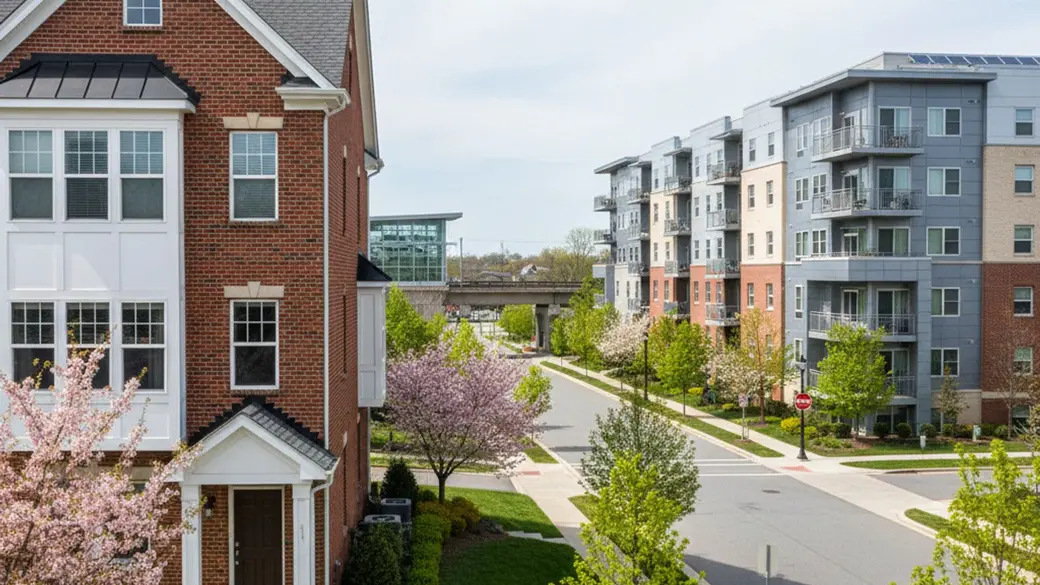
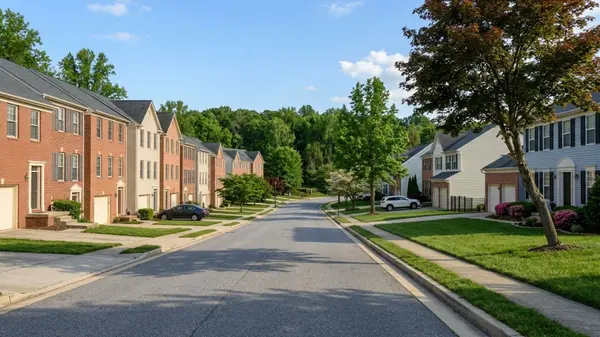
The area immediately surrounding the transit center features a high prevalence of townhomes and mid-rise condos. These properties offer a low-maintenance lifestyle paired with immediate access to the Metro SubwayLink. Buyers are often willing to pay a premium for the convenience of simply walking to the train platform.
Current 2026 townhome prices in these accessible areas typically range from $300,000 to $475,000. This pricing reflects the high desirability of the location and the modern amenities found in newer developments. Condominiums offer a slightly lower entry point, though inventory moves quickly when priced correctly.
You must remember to account for HOA fees and property taxes when evaluating these highly amenitized transit zones. Monthly association dues can significantly impact your total housing budget and purchasing power. Always review the complete financial picture before falling in love with a transit-adjacent property.
Investing in real estate near transit hubs historically provides strong protection against market fluctuations. Properties with built-in commuting advantages tend to hold their value exceptionally well. For buyers focused on long-term equity, these transit-oriented developments represent a highly strategic purchase.
Frequently Asked Questions
Is there a direct train from Owings Mills to Washington D.C.?
No, there is no direct rail line from Owings Mills to the capital. You must take the Metro SubwayLink into Baltimore and transfer to a MARC train or Amtrak service. This multi-step journey requires careful schedule coordination for daily commuters.
Does the Owings Mills Metro station offer commuter parking?
Yes, the station features a large, multi-level parking garage designed specifically for daily commuters. Parking capacity is generally excellent, even during peak morning hours. The facility is fully integrated with local Maryland Transit Administration bus routes.
How much does a ride on the Baltimore Metro SubwayLink cost?
A standard one-way core service fare is approximately $2.00, making it a highly cost-effective transit option. Commuters can purchase daily, weekly, or monthly passes to reduce their overall travel expenses further. These costs are significantly lower than daily downtown parking rates and highway tolls.
Categories
Recent Posts
GET MORE INFORMATION

Sales Director, Realtor License ID: MD: 662897 / PA: RSR005460
+1(410) 905-6678 | mike@mykeyhometeam.com