
Buying a Home in 2026: Navigating the Weather and Climate in Owings Mills MD
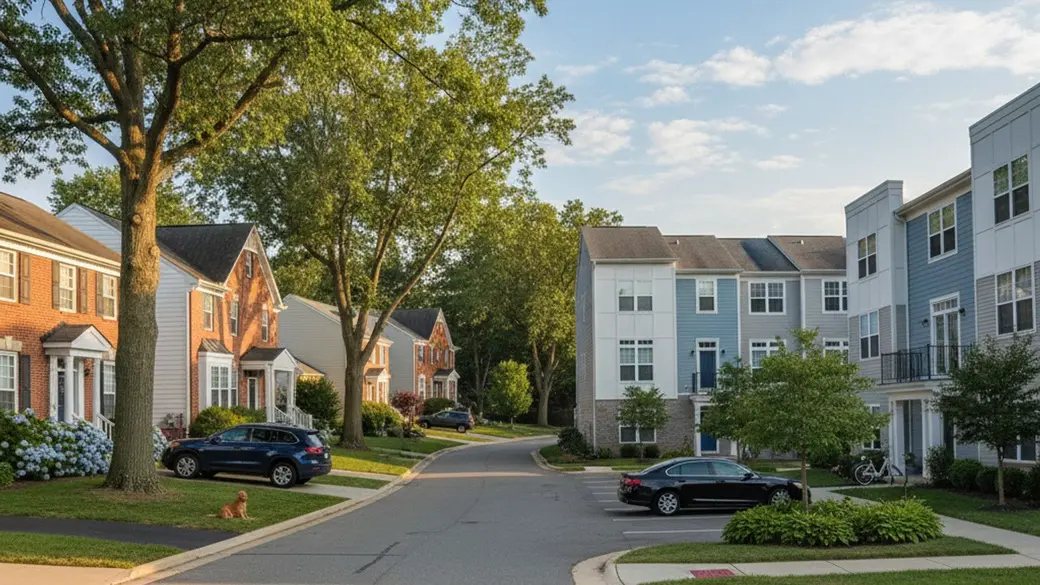
When evaluating properties in Baltimore County, buyers must consider how the local environment dictates home maintenance and lifestyle. The weather and climate in Owings Mills MD present a classic humid subtropical pattern with four distinct seasons. Understanding these shifts is crucial for protecting your real estate investment year-round.
Buyers relocating from other regions often underestimate the rapid transitions between freezing winter mornings and sweltering summer afternoons. Preparing for these extremes ensures you budget correctly for utility costs and seasonal upkeep. Evaluating a property's resilience to local weather conditions is just as important as checking the school district or property taxes.
Understanding the Weather and Climate in Owings Mills, MD
The climate in this part of Maryland delivers a true four-season experience. Residents experience warm, highly humid summers that transition into crisp autumns, followed by cold, snowy winters. This variability requires homes to have adaptable, high-functioning climate control systems to maintain interior comfort.
From a real estate perspective, these predictable seasonal shifts directly influence the housing market's rhythm. Spring and early autumn typically see the highest volume of property listings, as the mild weather makes moving and touring homes much easier. Buyers touring properties in mid-summer or deep winter should pay close attention to how well the home's insulation and HVAC systems are performing under stress.
Average Monthly Temperatures and Precipitation
Summer heat peaks in July, bringing average highs around 88 degrees Fahrenheit. However, the dense mid-Atlantic humidity frequently pushes the feels-like temperature closer to 100 degrees during the peak afternoon hours. Conversely, January brings the coldest weather, with overnight lows dropping to an average of 24 degrees Fahrenheit.
Precipitation is a year-round factor, with the area receiving roughly 47 inches of annual rainfall and about 22 inches of annual snowfall. October historically stands as the wettest month, while June offers the highest number of peak sunlight hours. For property owners, managing this constant moisture through proper roof maintenance and foundation drainage is non-negotiable.
How Seasonal Weather Patterns Impact Owings Mills Real Estate
The cyclical nature of the local weather dictates a strict maintenance timeline for property owners. Heavy spring rains and frequent summer storms test the integrity of roofs, gutters, and lot grading. Buyers should always ask for a thorough inspection of the property's drainage systems to ensure water flows away from the foundation.
Temperature extremes also place a heavy burden on a home's mechanical systems. A robust HVAC system is essential to handle both the oppressive summer humidity and the freezing winter nights. Preparing for winter requires specific attention to vulnerable plumbing, as pipes located in unheated crawlspaces or exterior walls can easily freeze when temperatures drop below the 32-degree mark.
Maintenance Differences: Townhomes vs. Single-Family Homes
The type of property you purchase in Owings Mills significantly alters your seasonal maintenance responsibilities. Townhomes are highly popular here because homeowners association fees frequently cover exterior landscaping and snow removal. This arrangement provides a low-maintenance lifestyle, shielding owners from the physical labor of clearing heavy winter snowfall.
Single-family homes offer more privacy and acreage, but they require owners to manage their own weather-related upkeep. Managing a larger driveway means either investing in a heavy-duty snowblower or hiring a private snow plowing service, which typically starts around $45 per visit. Given the 47 inches of annual rain, single-family homeowners must also actively monitor their yard drainage and gutter extensions to prevent water intrusion.
Navigating Daily Commutes Through Winter Weather Events
Transportation reliability is a major factor for buyers commuting into Baltimore or Washington, DC. Winter weather events, particularly freezing rain and sudden snow squalls, can dramatically slow traffic along the I-795 corridor. I always advise buyers to test their potential commute routes during active weather conditions to understand the true travel times.
Fortunately, Owings Mills offers excellent public transit infrastructure that mitigates many weather-related driving delays. The Baltimore Metro SubwayLink at the Owings Mills Station provides a reliable, weather-resistant alternative to highway driving. This transit hub remains highly operational even when heavy snow accumulation disrupts local road networks.
Local municipal snow clearing operations are generally efficient across major arteries like Reisterstown Road. However, secondary neighborhood streets and cul-de-sacs can take considerably longer to plow. Buyers looking at properties tucked deep into subdivisions should factor in potential delays when leaving home after a major winter storm.
Enjoying the Seasons: Parks and Outdoor Recreation
The four distinct seasons provide dynamic, year-round opportunities for outdoor recreation across the region. The mild spring months and crisp autumn afternoons offer the ideal climate for exploring the area's extensive park system. Proximity to these natural amenities consistently supports strong property values in the surrounding neighborhoods.
Soldier's Delight Natural Environment Area is a standout local destination. It features rare serpentine soil and miles of hiking trails that transform dramatically with the changing seasons. The sparse tree canopy makes it a perfect spot for brisk, sunny winter hikes when the ground is frozen solid.
The Irvine Nature Center serves as another prime location for exploring local wetlands and forests. The shifting weather patterns bring different migratory birds and blooming native plants to the center throughout the year. Having these expansive green spaces just minutes from major residential developments is a massive advantage for homebuyers seeking outdoor access.
Frequently Asked Questions
How often does it snow in Owings Mills?
The area typically receives about 22 inches of snow annually, spread across several winter storms between December and March. While massive blizzards are rare, residents can expect a handful of moderate snow events that require shoveling or plowing. Most snow accumulation melts within a few days due to fluctuating winter temperatures.
Is Maryland considered a humid state?
Yes, Maryland experiences high humidity levels, particularly during the summer months. In Owings Mills, the combination of mid-80s temperatures and high atmospheric moisture often pushes the heat index near 100 degrees in July and August. This sustained humidity makes a properly functioning central air conditioning system an absolute necessity.
What is the average monthly rainfall and precipitation in Owings Mills?
The region records approximately 47 inches of rain per year, distributed fairly evenly across all seasons. October is historically the wettest month, bringing heavy autumn rainstorms. This consistent precipitation requires homeowners to maintain functional gutters and proper lot grading to protect their foundations.
Categories
Recent Posts





GET MORE INFORMATION

Sales Director, Realtor License ID: MD: 662897 / PA: RSR005460
+1(410) 905-6678 | mike@mykeyhometeam.com