
The State of Property Valuation in Owings Mills (2026 Update)
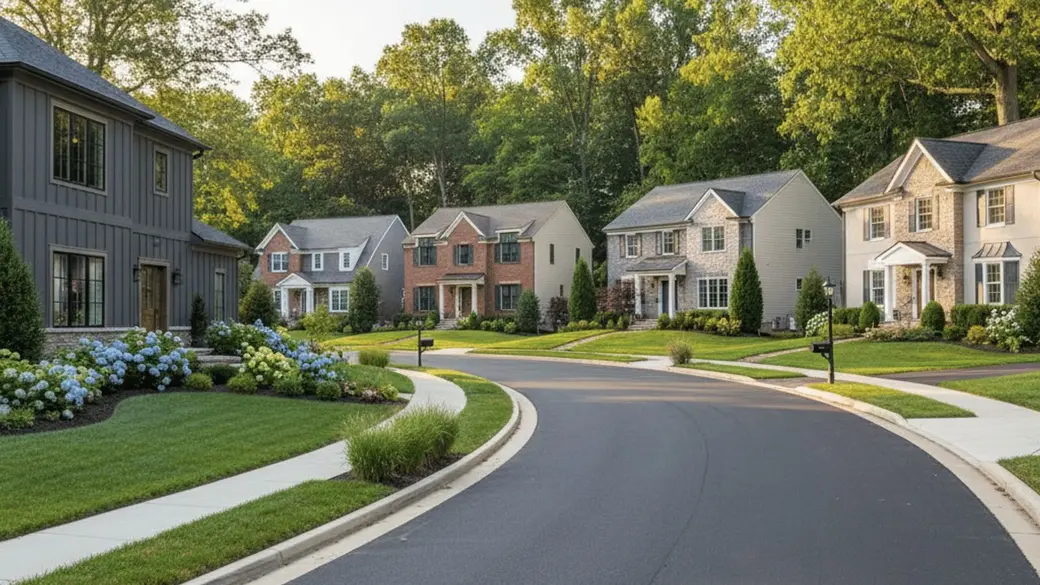
If you have been keeping an eye on the housing market lately, you have probably noticed things feel a bit different than they did a few years ago. As we settle into early 2026, the real estate landscape here in Owings Mills has shifted into what we call a "balanced" market. We aren't seeing the chaotic bidding wars of the past, but prices certainly haven't crashed either.
Right now, the median sale price is hovering comfortably between $375,000 and $410,000. Homes are taking a little longer to sell—usually sitting for about 25 to 39 days—which gives buyers room to breathe and sellers a reason to be strategic. In this environment, accurate pricing is everything. If you price a home too high today, it sits; price it right, and it moves.
One of the biggest points of confusion I see when chatting with neighbors is the difference between what a buyer will pay (Market Value) and what the state taxes you on (Assessed Value). Understanding this gap is crucial whether you are thinking about selling your home in Owings Mills or just trying to make sense of your latest tax bill.
3 Ways to Determine Property Value in Owings Mills
When you decide it’s time to figure out exactly what your house is worth, you generally have three tiers of valuation available to you. Each serves a different purpose, and they often come up with different numbers.
Let's start with the one everyone knows: Online Estimates. Sites like Zillow offer a quick snapshot—often called a "Zestimate." These are great for a ballpark figure or satisfying late-night curiosity, but they struggle with the specific nuances of our area code. An algorithm has a hard time knowing that a condo in New Town is completely different from a custom estate in Velvet Valley, even if they are only miles apart.
For a much sharper picture, you want a Comparative Market Analysis (CMA). This is a detailed report typically put together for free by a local real estate agent. Unlike an algorithm, an agent looks at active, pending, and sold comparisons ("comps") to adjust for things a computer can't see, like a brand-new kitchen or a particularly quiet street.
Finally, there is the Professional Appraisal. This is the most formal option and usually costs between $400 and $600. Lenders require this when you are refinancing or selling to a buyer with a mortgage. While a CMA is about strategy and marketing, an appraisal is a legally weight-bearing opinion used to secure a loan.
Key Factors Influencing Home Values in Owings Mills
Owings Mills is not a "one size fits all" zip code. You can drive five minutes down Reisterstown Road and feel like you are in a completely different market. That diversity is exactly why local knowledge beats national averages every time.
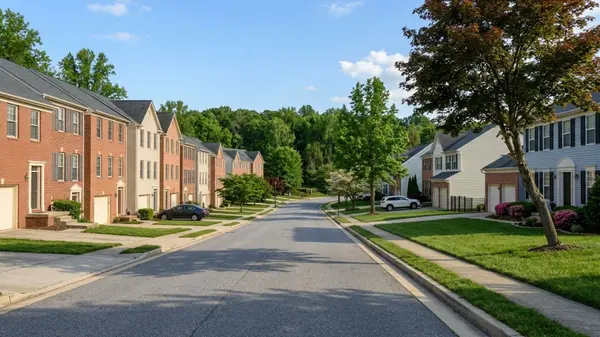
Neighborhood Micro-Markets are the biggest driver of price here. For example, the New Town area offers incredible convenience and a high volume of condos and townhomes, where median prices often sit between $225,000 and $300,000. Contrast that with luxury enclaves like Velvet Valley or Caves Valley, where large detached homes on private lots push the median well above $675,000. A high sale in one neighborhood doesn't necessarily bump up the value of a home in the other.
School district boundaries also play a significant role in resale value. Homes within the boundary of Lyons Mill Elementary often see different demand patterns compared to those zoned for Owings Mills Elementary. Even if you don't have children in school, these boundaries impact what buyers are willing to pay for your property.
We are also seeing a shift in how much buyers value Commute & Amenities. In 2026, walkability to the Metro Centre and Foundry Row has become a major selling point. Buyers love being able to walk to Wegmans or hop on the subway without battling traffic. Easy access to I-795 remains a staple requirement, but lifestyle convenience is driving premiums more than ever.
Lastly, property type creates a valuation gap. Because Owings Mills has such a high density of condos and townhomes, single-family detached homes are somewhat scarcer, which can sometimes insulate them differently against market fluctuations compared to the more abundant attached units.
Assessed Value vs. Market Value: The Maryland Confusion
If there is one topic that causes headaches, it is the difference between your tax assessment and your potential sale price. It is important to remember that the State Department of Assessments and Taxation (SDAT) decides your Assessed Value, but buyers decide your Market Value.
In Maryland, properties are reassessed on a three-year cycle. This means your tax value might be based on data that is lagging a year or two behind the current market. If your value spikes during a reassessment, the state protects you from "tax shock" by phasing that increase in over three years.
Because of this phase-in and the lag time, there is often a gap between the two numbers. In our balanced 2026 market, you will often find that the assessed value lags behind the actual market value, though they can converge if prices stabilize for a long period.
Additionally, if you live in the property as your primary residence, the Homestead Tax Credit caps your taxable assessment increase (usually at 10% per year). This is great for your monthly budget, but it further divorces your tax bill from what you could actually get if you listed the house for sale today.
How to Use "Comps" Correctly in Owings Mills
When agents or appraisers look for "comps" (comparable sales), there is a specific strategy to it. If you are trying to validate a list price or understand a home appraisal in Owings Mills, you need to think like a professional.
Recency is key. In 2026, data from two years ago is practically ancient history. You generally want to look for sales that closed within the last 3 to 6 months to get an accurate read on the current temperature of the market.
Proximity is just as important. A good rule of thumb here is to try not to cross major dividers like I-795 if you don't have to. A house in Garrison isn't always a good comparison for a house in Owings Mills proper, even if they look similar on paper. The markets function differently.
You also need to ensure a Style Match. It might seem obvious, but you cannot compare a 1990s New Town townhome with a mid-century detached home. The buyer pools are different, and the price per square foot varies wildly.
Finally, adjust for Condition. If a neighbor sold their home for a record price, check if they had a finished basement or a renovated kitchen. In our area, those specific updates add significant value. If your home is mostly original, you will need to adjust your expectations downward from that renovated comp.
Actionable Steps to Increase Property Value
If you are thinking about selling soon, or just want to build equity, there are a few reliable ways to boost value in this specific market.
- Curb Appeal: Never underestimate the power of landscaping in suburban Maryland. A clean yard and fresh mulch set the tone before a buyer even steps inside.
- Modern Updates: Buyers in 2026 generally expect move-in readiness. You don't always need a full gut renovation, but updating kitchens and baths yields the highest return. Swapping out dated fixtures or countertops can make a 20-year-old home feel current.
- Energy Efficiency: With energy costs where they are this year, practical updates like new windows or a high-efficiency HVAC system are strong selling points. They might not be as "sexy" as a granite island, but they reassure buyers that the home is well-maintained and affordable to run.
Frequently Asked Questions About Owings Mills Valuation
Why is my Zillow Zestimate different from my agent's CMA?
Algorithms like Zillow's Zestimate lack on-the-ground context. They can't smell cigarette smoke, see a cracked driveway, or appreciate a custom patio, all of which heavily influence value in diverse areas like Owings Mills. A CMA accounts for these specific condition factors and micro-location details.
Does a high tax assessment mean I can sell for more?
Not necessarily. A high assessment is simply the state's calculation for tax liability and often relies on mass appraisal techniques rather than an individual inspection. Buyers determine market value based on condition and competition, which often results in a price different from the SDAT figure.
How often does property value change in Owings Mills?
Market value is fluid and changes constantly based on supply, interest rates, and buyer demand. While your tax assessment only changes every three years on a fixed cycle, the actual price a buyer is willing to pay can shift month to month.
Categories
Recent Posts
GET MORE INFORMATION

Sales Director, Realtor License ID: MD: 662897 / PA: RSR005460
+1(410) 905-6678 | mike@mykeyhometeam.com