
Owings Mills vs. Towson: Choosing Your Baltimore County Home Base
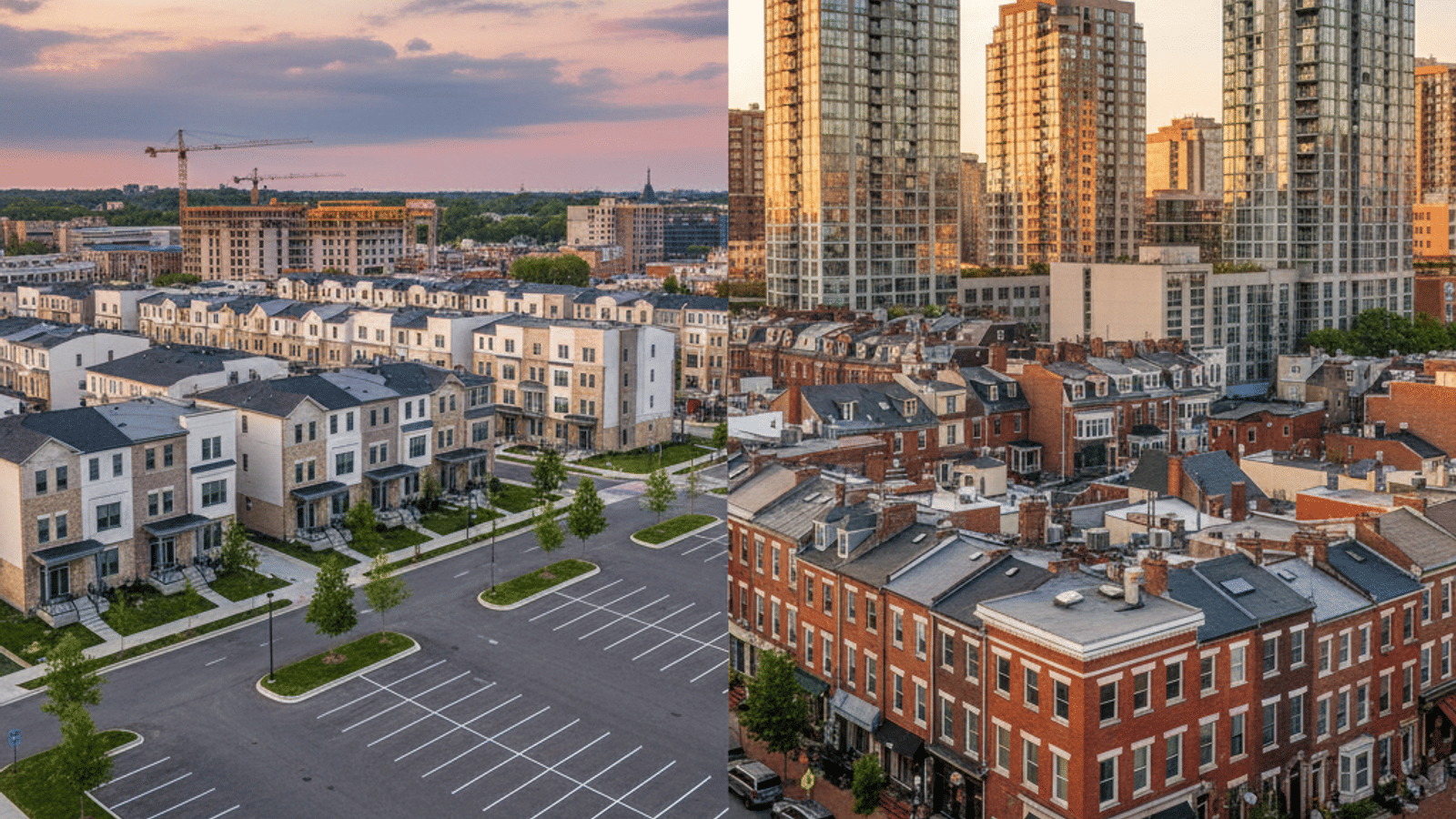
If you are looking at living in Baltimore County, you have almost certainly narrowed your list down to two heavy hitters: Towson and Owings Mills. Both serve as major anchors for the region, but they offer completely different day-to-day experiences. Towson functions like a bustling "mini-city" with a historic core and high-energy downtown, while Owings Mills is a modern, transit-oriented suburban hub defined by convenience and newer infrastructure.
The choice often comes down to how you want to interact with the city and what kind of home you are looking for. Towson offers walkability and established neighborhoods, while Owings Mills offers more square footage and a direct rail link to downtown Baltimore. Whether you are prioritizing a stress-free commute, access to luxury retail, or a specific budget, understanding the nuances of these two markets is key to making the right move.
The Vibe: Walkable Energy vs. Modern Suburbia
Towson has a pulse that is distinct from anywhere else in the county. Because it is the county seat and home to a major university, the downtown area feels dense and active. You have high-rise condos, historic neighborhoods like Ruxton nearby, and a constant flow of foot traffic around the circle. It feels established, with a civic center atmosphere that blends collegiate energy with professional hustle.
Owings Mills, by contrast, feels like a carefully planned modern suburb. It is more spread out, meaning you will likely rely on your car for most trips unless you live right in one of the mixed-use nodes like Metro Centre or New Town. The infrastructure is newer, and the area feels more corporate and residential. It doesn't have the grit or history of Towson, but it offers a polished, predictable environment that many buyers find relaxing.
Demographically, the vibe follows the housing. Towson skews slightly younger in the center due to the university but maintains old-money affluence in its bordering neighborhoods. Owings Mills attracts a blend of young professionals and mid-career commuters who want a quiet place to land after work. If you prefer density and background noise, Towson fits; if you want quieter pockets just minutes from a commercial strip, Owings Mills is likely your speed.
Cost of Living: Housing Prices and Everyday Expenses
When we look at the numbers, Owings Mills is generally the more affordable option, often coming in about 15% to 16% less expensive overall than Towson. This difference is driven almost entirely by housing costs. While everyday expenses like utilities (BGE) and groceries (both have Wegmans, Trader Joe's, and Giant) are roughly comparable, the entry price for a home in Owings Mills is simply lower.
Taxes are another area where buyers often get confused. Since both towns are in Baltimore County, the base property tax rate is identical—approximately $1.10 per $100 of assessed value. However, because homes in Towson tend to have higher assessed values, your actual annual tax bill will likely be higher there. It is the same rate, just applied to a more expensive asset.
You should also watch out for hidden lifestyle costs. In downtown Towson, parking can be a real line item in your budget, with meters and garages being the norm near the shopping districts. In Owings Mills, parking is almost universally free and plentiful, with the exception of specific commuter lots at the Metro station.
Real Estate Market: Buying and Renting
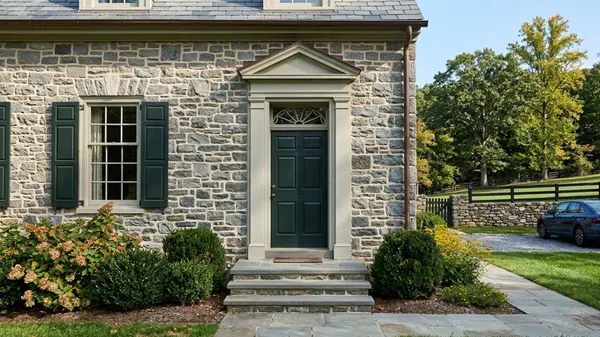
The housing stock in Towson is incredibly diverse. You might find a historic stone cottage, a mid-century rancher, a luxury high-rise condo, and a multi-million dollar estate all within a two-mile radius. Because the area is so established, inventory moves fast, and bidding wars are common for updated homes. Median listing prices here often sit in the high $400,000s and climb significantly higher depending on the neighborhood.
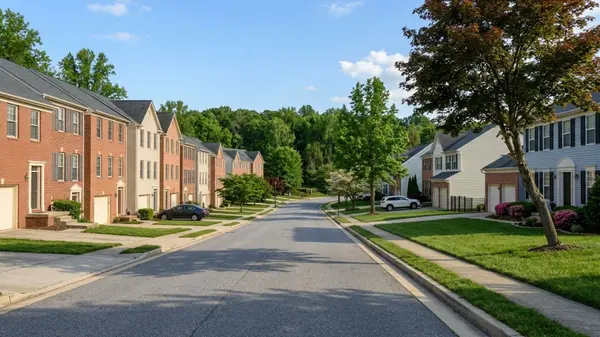
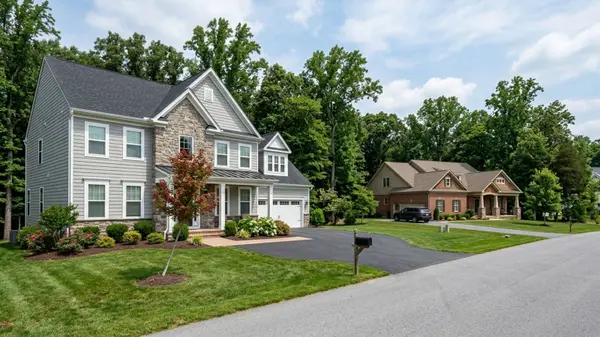
Owings Mills is the land of newer construction. Most of the housing stock here was built from the 1990s to the present. You will see a large inventory of spacious townhomes, modern single-family subdivisions, and luxury apartment complexes. Prices here are more accessible, with many great options hovering in the mid-$300,000s to low $400,000s.
If you are looking to rent, Towson prices stay high due to demand from students and university staff. In Owings Mills, you can often find luxury apartments—like those at Metro Centre—that offer more square footage and newer amenities for the same monthly rent you would pay for a smaller, older unit in Towson.
Commuting Comparison: Metro vs. The Beltway
If you work in downtown Baltimore, Owings Mills has a massive advantage: the Metro SubwayLink. Owings Mills is the northern terminus of the line, meaning you can park your car and take a direct, traffic-free train ride to Charles Center or Johns Hopkins Hospital in about 28 minutes. For daily commuters, this is a game-changer that completely removes beltway stress from the morning routine.
Towson, on the other hand, is a road hub. There is no direct rail service, so commuters rely on the CityLink Red bus or, more commonly, their cars. Towson sits right on the I-695 Beltway and Charles Street, making it centrally located, but that convenience comes with congestion. Traffic around York Road and the Towson Circle is notoriously heavy, and getting to the highway can take 15 minutes just from the center of town.
While Towson is physically closer to the Baltimore city line, Owings Mills can actually be a faster commute during rush hour if you utilize the train. If you are driving from Owings Mills, you have easy access to I-795, which feeds directly into the Beltway. It still gets backed up, but having a dedicated expressway often feels more efficient than navigating Towson’s surface streets.
Schools and Educational Opportunities
Towson is undeniably an academic town. It is home to Towson University and Goucher College, which creates a distinct learning atmosphere. The local schools, such as Towson High, are well-known for their magnet programs, particularly in Law & Public Policy. This academic presence influences the culture of the area, bringing in lectures, arts, and community programs.
Owings Mills is served by schools like Owings Mills High and New Town High. The focus here is often on the diverse career and technology programs available through the wider Baltimore County system. While it lacks the "college town" identity, the facilities are often newer, reflecting the recent growth of the area.
For those interested in private education, both locations are centrally located near Baltimore County’s extensive network of private institutions. Owings Mills is particularly close to the prestigious schools in the Garrison Forest area, making it a convenient base for families utilizing those programs.
Shopping, Dining, and Entertainment
Retail is a major draw for both areas, but the experience is different. Towson is home to Towson Town Center, a massive luxury mall anchored by Nordstrom and featuring high-end stores like Apple and Tiffany & Co. It is a regional destination. Downtown Towson also offers a dense concentration of independent restaurants and bars, creating a vibrant nightlife scene that stays active late into the evening.
Owings Mills has moved away from the traditional mall model—the old mall was demolished—and now focuses on "lifestyle centers." Mill Station, built on the old mall site, features big-box convenience like Costco and Lowe's alongside outdoor retail. Nearby Foundry Row is anchored by a massive Wegmans and features upscale casual dining. The dining scene here is dominated by popular chains and quick-service spots that are easy to access.
Entertainment in Owings Mills is generally quieter. You have the AMC Dine-In theater and easy access to nature at places like Soldiers Delight and Northwest Regional Park. It doesn't have the club or bar scene of Towson, but for many residents, the trade-off for easier parking and less noise is worth it.
Safety and Neighborhood Comfort
In Towson, the higher density and foot traffic mean there are always "eyes on the street," which creates a sense of community safety. However, like any busy urban center, there are typical issues with petty crime near the high-traffic retail districts. The sheer volume of people means you have to be more aware of your surroundings in the downtown core.
Owings Mills generally feels quieter. The lower density and cul-de-sac layouts of the subdivisions can feel very secure and private. However, because it is more car-dependent, large parking lots in mixed-use areas require standard vigilance. The perception is often that Owings Mills is "sleepier," while Towson is active around the clock.
As with any real estate decision, safety can vary significantly from one block to the next. It is always smart to check specific police precinct data for the exact subdivision or apartment complex you are considering rather than relying on general reputation.
Verdict: Which Area Matches Your Lifestyle?
Deciding between these two really comes down to your daily habits and budget.
Choose Towson if: You crave walkability and the energy of a college town. If you want to be able to walk to dinner, love historic charm, and have a budget that can accommodate a higher price point for less square footage, this is the spot for you. It is the heart of the county for a reason.
Choose Owings Mills if: You want more house for your money and a modern, low-maintenance lifestyle. If you work downtown and want to use the Metro to skip traffic, or if you prefer the convenience of big-box retail and newer construction, Owings Mills is the practical, comfortable choice.
Ultimately, Towson offers the excitement of a mini-city, while Owings Mills offers the ease of a well-planned suburb.
Frequently Asked Questions
Is Owings Mills cheaper than Towson?
Yes, generally speaking. Housing costs in Owings Mills are typically about 15% lower than in Towson. You can usually get a newer, larger home in Owings Mills for the same price as a smaller, older home in Towson.
How long is the commute from Owings Mills to Baltimore?
If you drive, it takes about 30 to 35 minutes depending on traffic. However, if you take the Metro SubwayLink from the Owings Mills station, it is a consistent 28-minute ride to Charles Center, making it highly predictable compared to driving.
Does Owings Mills have a downtown like Towson?
No, it does not have a historic downtown. Instead, it has "Metro Centre," a manufactured mixed-use development that serves as a town center with a library, college campus, and restaurants, but it lacks the historic street grid and density of downtown Towson.
Which area has better public transportation, Towson or Owings Mills?
Owings Mills wins for rail access due to the Metro SubwayLink station, which goes directly downtown. Towson has a more extensive bus network, including the CityLink Red, but lacks a direct train connection, leaving commuters reliant on road traffic.
What are the property taxes in Owings Mills vs Towson?
The tax rate is the same because both are in Baltimore County (roughly $1.10 per $100 of assessed value). However, your actual tax bill will likely be higher in Towson simply because the property values and assessments are generally higher there.
Categories
Recent Posts
GET MORE INFORMATION

Sales Director, Realtor License ID: MD: 662897 / PA: RSR005460
+1(410) 905-6678 | mike@mykeyhometeam.com