
Seller Disclosures in Owings Mills MD
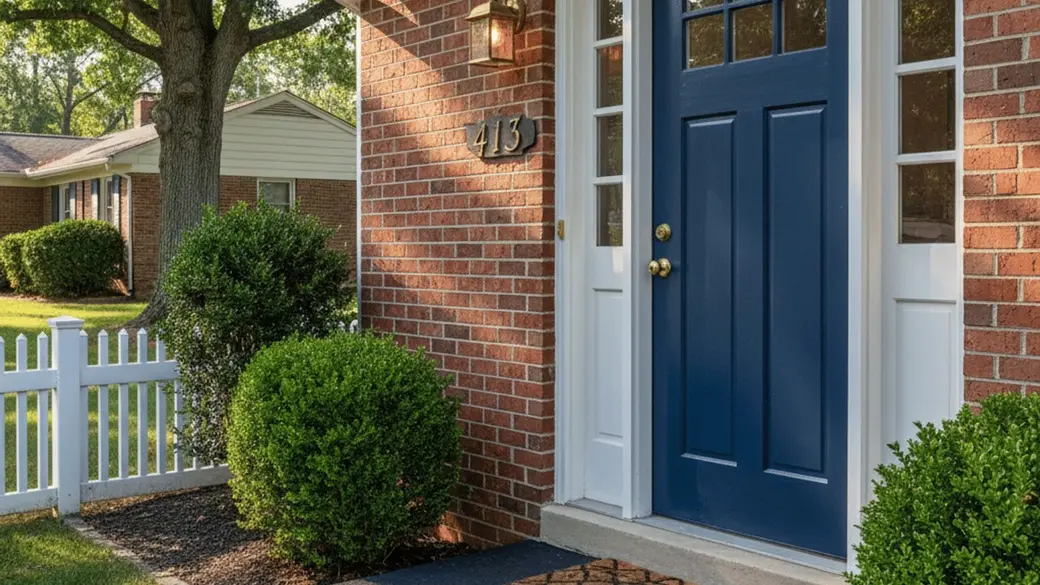
When you decide it’s time to move, it’s easy to get caught up in the fun parts of selling a home in Owings Mills. You’re thinking about decluttering, painting the front door, and maybe how much equity you’re sitting on. But before the "For Sale" sign goes up, there is some serious paperwork that needs your attention. Selling a house is more than just a transaction of bricks and mortar; it’s a legal transfer that requires total transparency.
In Maryland, the law (specifically Section 10-702 of the Real Property Article) is very clear about what you need to tell a buyer. The goal isn't to scare anyone off, but to prevent messy lawsuits after closing and ensure everyone knows exactly what they are buying. For sellers in Owings Mills, this often means navigating a mix of state forms, Baltimore County regulations, and—if you live in a community like New Town—some strict HOA documentation.
The Maryland Residential Property Disclosure and Disclaimer Statement
This is the big one. If you are selling residential real estate in Maryland, you will almost certainly encounter the "Residential Property Disclosure and Disclaimer Statement." Think of this as a fork in the road where you have to choose one of two paths for how you want to present your home’s condition to the world.
Option 1: The Disclosure Statement
This is the path of total transparency. You fill out a detailed checklist regarding the condition of the property’s systems. You’ll answer questions about the roof, plumbing, heating, air conditioning, and electrical systems. You aren’t expected to be a home inspector, but you are expected to answer honestly based on what you know. Most local agents recommend this route because it builds trust with buyers. When you lay everything out on the table, buyers tend to feel more comfortable moving forward.
Option 2: The Disclaimer Statement
This is essentially the "As-Is" option. By choosing the disclaimer, you are stating that you are making no representations or warranties about the condition of the property. You are telling the buyer, "what you see is what you get," and the burden is entirely on them to inspect the home. While this is a legal option, it doesn't protect you from everything—which brings us to the most critical exception in Maryland real estate law.
The Exception: Material Latent Defects
Here is where many sellers get tripped up. You might think that choosing the "Disclaimer" or selling "As-Is" means you don't have to say a word about that leak behind the drywall. That is incorrect. Even if you choose the disclaimer route, Maryland law requires you to disclose material latent defects.
A latent defect is a specific kind of problem. It isn't a scuffed floor or a peeling paint job that a buyer can see during a walk-through. It is a flaw that is hidden from a casual inspection but poses a direct threat to the health or safety of the occupants.
We aren't talking about a dripping faucet here. We are talking about serious issues like:
- Hidden mold growing behind the basement drywall.
- A cracked foundation that has been covered up by new flooring.
- Faulty electrical wiring inside the walls that could cause a fire.
If you know about these issues and fail to disclose them, you could be committing fraud. It doesn't matter which form you signed; health and safety hazards must always be revealed.
Federal and Baltimore County Specific Requirements
Beyond the standard state form, living in Baltimore County brings a few extra layers of paperwork. Depending on the age and location of your home, you might have federal obligations or local safety codes to meet.
Lead-Based Paint: If your home was built before 1978, federal law mandates that you provide a Lead-Based Paint Disclosure. While many neighborhoods in Owings Mills are newer developments, there are plenty of older properties in the surrounding Baltimore County areas where this date is relevant. You have to provide any records you have regarding lead paint, though you aren't usually required to test for it if you haven't already.
Smoke and Carbon Monoxide Detectors: Baltimore County has strict rules regarding smoke alarms and carbon monoxide detectors. Generally, before you transfer the property, you need to ensure you have the correct type of alarms installed. For many homes, this means hardwired units with battery backups, specifically in sleeping areas. It is a small detail that can hold up a settlement if missed.
Deferred Water and Sewer Charges: This is a specific Maryland quirk. You must disclose if the property is subject to any deferred water or sewer charges that wouldn't show up on a standard tax bill. These are costs that might have been pushed down the road, and you don't want to surprise a buyer with a bill they didn't agree to pay.
HOA and Condo Resale Packages in Owings Mills
Owings Mills is known for its planned communities and condo complexes. Whether you are in a townhome in New Town, a single-family home in Velvet Valley, or one of the many Owings Mills condos for sale, you likely answer to a Homeowners Association (HOA) or a Condominium Association.
If you pay mandatory fees to an association, you cannot just hand over the keys. You are legally required to provide a "Resale Package." You order this from your HOA or property management company, and it costs a bit of money and time to prepare.
This package includes the community bylaws, the budget, reserve fund information, and meeting minutes. Most importantly, it includes a statement regarding your specific unit. If you built a deck without approval or painted your door the wrong shade of red, the resale package will flag it as a violation.
Be aware of the timeline here. Once the buyer receives this package, they have a "right of rescission." This usually gives them 5 to 7 days to review the documents and cancel the contract for any reason—or no reason at all—without penalty. It is a powerful exit ramp for buyers, so you want to get those docs ordered as soon as possible.
Common Disclosure Issues in Owings Mills Homes
Every region has its own "personality" when it comes to house problems. In our area, the weather and the era in which many homes were built lead to a few recurring themes on disclosure forms.
Basement Moisture: We get a fair amount of rain and snow in Maryland. Consequently, damp basements are one of the most common issues sellers have to address. If you’ve ever had water intrusion, a sump pump failure, or just "weeping" walls during a heavy storm, it needs to be disclosed.
Roof and HVAC Age: Buyers will always ask about the age of the roof and the HVAC system. If you don't know the exact year, it is better to state "unknown" than to guess and be wrong. However, digging up the warranty paperwork or receipts can save you a headache later during the inspection negotiation.
Polybutylene Piping: Some homes built in the 1980s and early 1990s used polybutylene pipes for plumbing. These pipes are prone to failure and bursting. While many have been replaced over the years, if your home still has them, it is a material fact that educated buyers (and their inspectors) will be looking for.
Risks of Failing to Disclose
You might be tempted to gloss over a repair you did five years ago to keep the disclosure form looking clean. That is a risky strategy. The consequences of hiding information usually far outweigh the cost of just being up front.
First, there is the risk of the deal falling apart. If you don't deliver the disclosure or disclaimer statement on time, the buyer retains the right to rescind the contract right up until settlement or until they finally receive the form. You don't want to give a buyer an easy out just because you missed a paperwork deadline.
Second, there is the potential for post-closing lawsuits. If a buyer moves in and discovers a basement leak that you patched and painted over without telling them, they can sue you for damages. If they can prove you knew about it and concealed it, you could be on the hook for the repairs and legal fees.
Finally, for FSBO sellers or those working with agents, your reputation matters. In a tight-knit market, trying to hide defects is a quick way to kill a deal and make other agents wary of showing your property.
Tips for Completing Disclosures Accurately
Navigating these forms doesn't have to be a nightmare. Here are a few tips to keep you safe and compliant.
When in Doubt, Disclose: If you aren't sure if a past repair counts as a "defect," just list it. It is almost always better to lose a few hundred dollars negotiating a repair credit than to face a lawsuit for tens of thousands later.
Don't Guess: If the form asks for the age of the roof and you think it’s "about 10 years old" but aren't sure, check your records. If you can't find proof, mark "unknown." Providing incorrect data can be seen as misrepresentation.
Keep It Current: If a storm blows through and damages a shutter while your house is under contract, you need to update the disclosure. The form represents the condition of the house at the time of contract, but significant changes should be communicated to avoid disputes at the final walkthrough.
Ask for Help: If you are confused about whether a cracked sidewalk counts as a latent defect, don't wing it. Consult with a real estate attorney or lean on the experience of your real estate agent.
Frequently Asked Questions
What happens if I sell my house "As-Is" in Owings Mills?
Selling "As-Is" generally means the buyer accepts the property in its current visible condition and you won't be making repairs. However, this does not exempt you from disclosing material latent defects—hidden health or safety issues—that you are aware of.
Do I have to fix the defects I disclose?
No, disclosing a problem does not automatically obligate you to fix it. Disclosure is about information; repairs are about negotiation. You can list a defect and still state that you will not repair it, leaving the buyer to decide if they want to proceed or ask for a credit.
When must I give the disclosure forms to the buyer?
You should provide the disclosure or disclaimer statement at the time the contract is presented. If the buyer doesn't receive these forms before entering the contract, they retain the right to cancel the agreement penalty-free for a set period after they finally receive them.
Does Maryland require a mold disclosure?
Maryland doesn't have a standalone "mold form," but mold is considered a material fact regarding the property's condition. If you know you have mold, especially if it is a latent (hidden) defect affecting health, you must disclose it on the standard property disclosure or disclaimer statement.
Categories
Recent Posts






GET MORE INFORMATION

Sales Director, Realtor License ID: MD: 662897 / PA: RSR005460
+1(410) 905-6678 | mike@mykeyhometeam.com