
Towson, MD Weather Patterns: Seasons, Storms and What They Mean for Your Home
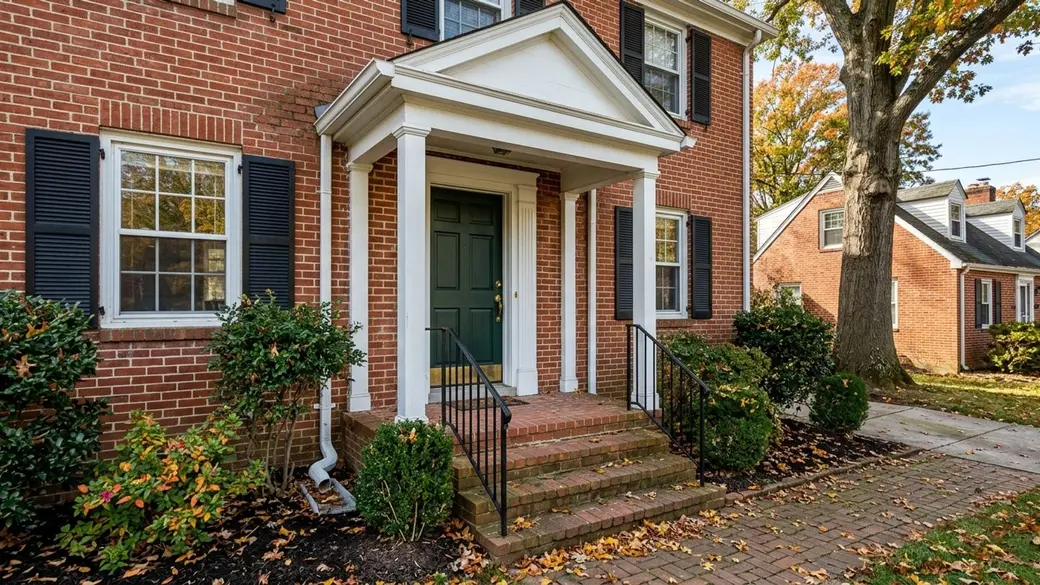
Towson, MD has a four-season climate with weather patterns that shift noticeably from month to month. The city sits in the Piedmont region of greater Baltimore, placing it in a humid subtropical zone where temperatures and precipitation both fluctuate in ways that matter to a homeowner.
The weather that costs you money is the weather that hits the outside of the house. Summer downpours, fall tropical remnants, and winter freeze-thaw cycles all require specific exterior maintenance. These seasonal shifts dictate the upkeep your property will hand you before you buy it.
Key Takeaway
Towson has a humid four-season climate: hot, stormy summers, mixed snow-and-ice winters, and mild springs and falls. The pattern that matters most to a homeowner is water from downpours, tropical remnants and freeze-thaw. If you want to avoid managing that yourself, start with a condo, where exterior upkeep usually sits with the HOA and buyers paid 98% of list in the July through September 2026 quarter based on 20 sales. If you want a yard, a single-family home works, as long as you budget for the gutters, roof and driveway that come with it.
Who This Guide Is For
You are weighing a move to or within Towson and want to know what each season is like and how much weather-related upkeep the home you buy will hand you.
What Are the Weather Patterns in Towson, MD?
Towson sits at an elevation of 463 feet in a humid subtropical climate zone. The National Weather Service tracks the area's 30-year climate normals using stations at Baltimore/Washington International Airport and the Baltimore Inner Harbor.
For the bigger picture, see Pros and Cons of Living in Towson.
Because no month is reliably dry, drainage matters all year. You can check the National Weather Service station data for exact monthly temperature ranges and precipitation averages. The sections below work through each season and then look at what those patterns mean for different property types.
Summer in Towson: Heat, Humidity and Thunderstorms
Summer comfort here is set more by humidity than by the thermometer. The season brings a steady pattern of afternoon thunderstorms that drop heavy rain in a short window of time. For a homeowner, central air and a running dehumidifier in a below-grade space become normal operating costs.
Short, heavy downpours expose gutters that overflow and grading that slopes toward the foundation. A home viewed during a dry week can hide a water problem that only shows up after the first summer storm.
Ask the seller about any history of water getting into the basement, and look for water lines or efflorescence on foundation walls. Ask for 12 months of utility bills too, so you can see what summer cooling costs.
Fall in Towson and the Tropical Storm Season
Fall is the mildest stretch of the year, but it overlaps the Atlantic hurricane season, which runs through November 30. Because Towson is inland, the main risk is remnant rain and wind rather than storm surge. The National Weather Service documents several severe remnant flooding events in Baltimore County, including Tropical Storm Lee in 2011, which dropped two to three inches of rain per hour, and Hurricane Isabel in 2003, which brought intense winds and extensive flash flooding.
A property near a stream or in a low spot can take on water even if it has never flooded in a normal storm. Look up the address on the FEMA Flood Map Service Center before making an offer to see whether it sits in a regulated flood zone. Whether to buy flood insurance is a question for an insurance agent, not this page.
Falling leaves mean you will spend part of every fall cleaning gutters to keep water moving away from the house. Flood maps show regulated zones, not every street that collects water, so ask neighbors and the seller about neighborhood drainage too.
Winter in Towson: Snow, Ice and Freeze-Thaw
Winters here tend to bring a mix of snow, sleet and freezing rain rather than steady snowfall. Repeated freeze-thaw cycles crack driveways, heave steps and walkways, and can form ice dams on roofs with poor insulation or ventilation. The National Weather Service maintains 30-year normal seasonal snowfall records for the area, which give you a baseline for what to expect.
Baltimore County law requires you to shovel your sidewalks within 24 hours after a snowstorm. You cannot throw the snow into the street or block the gutters, and if you fail to clear the walk, the county can do it and place a lien on your property for the cost.
Check the attic insulation and roof edge for signs of ice dams. Look at the condition of the driveway and steps, and ask whether the street is a Baltimore County snow emergency route. A mild winter one year says little about the next, so plan for shoveling and de-icing even if a listing photo shows a green lawn in January.
Spring in Towson: Rain, Pollen and Severe Storms
Spring is a long, mild warm-up with frequent rain and the start of the severe thunderstorm season. Heavy spring tree pollen is a well-known feature of tree-heavy Baltimore County neighborhoods, worth planning around if you spend much time outside.
Spring rain is the best time to see whether a yard drains or ponds. A big, mature tree canopy means more gutter cleaning and possible limb risk to the roof. If you tour homes in the spring, walk the lot after a rain and look for standing water near the foundation. The same mature trees that make many Towson streets attractive add to the upkeep and storm-damage exposure that comes with the house.
How Towson's Weather Affects Each Type of Home
The home type you buy decides how much of Towson's weather you manage yourself. Your exposure to downpours, tropical remnants and freeze-thaw cycles depends on whether you own the roof and the lot.
Buyers factor these upkeep costs into their offers differently depending on the property style. The July through September 2026 quarter gives a clear picture of how much room buyers had to price in weather repairs across single-family homes, townhouses and condos. You can review Towson home prices and market data for the full price picture.
Single-Family Homes
The owner carries every weather item covered above: roof and gutters, grading, driveway repairs, sidewalk snow and trees. In the 90 days ending September 30, 2026, single-family homes had a median sale price of $604,759 and sold for 101.1% of the list price. Buyers had little room to negotiate with only 2.1 months of supply.
Plan to cover weather repairs yourself rather than expecting the seller to discount for them.
Townhouses
Shared walls mean less exterior and less roof per owner, but whether the HOA or the owner handles the roof, gutters and snow varies by community. Townhouses had a median sale price of $337,004, down 11.7% year over year, in the July through September 2026 quarter. Even with a falling median, 41.3% still sold above list.
A lower price doesn't automatically mean you can negotiate repairs. You may still own your roof section and steps, so read the HOA documents carefully before you assume anything is covered.
Condos
The exterior, roof and snow clearing usually sit with the association. Condos sat a median of 56 days on the market with 4.1 months of supply in the 90 days ending September 30, 2026, based on 20 sales, so treat this trend with caution. That longer time on market gives you more room to read reserve studies and ask about past water claims.
The catch is that the HOA's weather costs come back to you through dues and special assessments. Ask for current dues, the reserve study and any planned roof or drainage projects before you're under contract.
How to Choose a Home for Towson's Weather
A single-family home leaves you responsible for all exterior weather upkeep. A condo shifts most of it to the association. If you want the least exterior weather upkeep and the most time to decide, condos are where to start. If you want a yard and garden and you're comfortable handling snow, gutters and drainage yourself, single-family homes make more sense.
Townhouses offer less roof and exterior per owner at a lower entry price than a detached home. If the home you're considering has a basement, a finished lower level or a low spot on the lot, work through the summer and fall drainage risks carefully. Run the FEMA flood map check before you make an offer.
Moving on a fixed date changes how you handle the market. Late summer and early fall have different market speeds and weather impacts, which affects how quickly you'll need to schedule an inspection. An inspection is where you confirm drainage, roof and grading condition. You can read more about how inspections fit into the purchase timeline on the buying process, inspections and financing page.
Best Time to Move to Towson
Late spring and early-to-mid fall are typically the easiest months for a move. High summer heat and humidity are hard on movers, and winter ice can disrupt a scheduled move.
The market data here covers only the July through September 2026 quarter, so this page can't say whether prices change by season. During that late-summer window, 34.8% of all homes sold above list. Buying in peak summer can mean quick offers and short inspection windows, right when humidity makes basements easiest to judge.
Moving in the nicest weather may mean buying in the busiest stretch, so line up an inspector early. Mike Fielder can help you review selling and listing timing and what to look for on a specific property. You can review more details on the moving and relocation page and the whether Towson is a good place to live page.
At a Glance
- All homes, median sale price: $463,279, up 5.5% year over year (164 sales, 90 days ending 2026-09-30)
- All homes, median days on market: 42; sale-to-list 100.9%; 34.8% sold above list; 2.4 months of supply (90 days ending 2026-09-30)
- Single-family, median sale price: $604,759, up 10% year over year (83 sales, 90 days ending 2026-09-30)
- Single-family, median days on market: 40; sale-to-list 101.1%; 2.1 months of supply (90 days ending 2026-09-30)
- Townhouse, median sale price: $337,004, down 11.7% year over year (59 sales, 90 days ending 2026-09-30)
- Townhouse, median days on market: 42; 41.3% sold above list; 2.2 months of supply (90 days ending 2026-09-30)
- Condo, median sale price: $204,479, up 1% year over year (based on only 20 sales, so treat with caution; 90 days ending 2026-09-30)
- Condo, median days on market: 56; sale-to-list 98%; 10% sold above list; 4.1 months of supply (based on 20 sales; 90 days ending 2026-09-30)
Towson, MD Weather FAQs
Is Towson's Weather Different from Baltimore's?
Towson sits at an elevation of 463 feet, which is higher and further inland than the Baltimore Inner Harbor. The National Weather Service maintains 1991-2020 climate normals for both the Inner Harbor and the nearby BWI airport. You can compare the two stations' data to see slight differences in daily temperatures and precipitation.
Which Direction Does Weather Usually Come from in Towson?
Most weather systems in the mid-Atlantic move from west to east. The National Weather Service explains that the jet stream flows west to east, carrying most continental storms across the region. Exceptions include coastal storms and tropical remnants that arrive from the south or east.
What Planting Zone Is Towson, MD In?
The Piedmont region of Maryland falls into USDA Hardiness zones 7b and 7a. You can check the 2023 USDA map for your specific ZIP code. A specific yard can vary based on shade and slope.
When Is the First Frost in Towson?
Fall and spring frost dates vary from year to year. You can check the National Oceanic and Atmospheric Administration or the University of Maryland Extension for the area's average first fall frost and last spring frost dates. Treat these dates as averages rather than guarantees.
How Deep Is the Frost Line in Towson?
The exact frost depth required for footings depends on the building code that Baltimore County has adopted. This depth matters when you're building decks, additions and fences. Confirm the current required depth with county permits before building.
Are There Tornadoes in Towson, MD?
The National Weather Service confirms multiple tornadoes have touched down in Baltimore County in recent decades. A recent confirmed event was an EF-1 tornado that tracked from Baltimore City into southeastern Baltimore County on May 16, 2025. Check local NWS alerts for current warnings.
Sources
- Redfin: Data Center
- National Weather Service: Baltimore/Washington Climate
- Wikipedia: Maryland
- TopoZone: Towson, MD Elevation
- NOAA: Tropical Cyclone Climatology
- National Weather Service: Tropical Storm Lee
- Baltimore County: Floodplain Management
- Baltimore County: Winter Storm Information
- National Weather Service: Baltimore Tornado
- National Weather Service: JetStream
Categories
Recent Posts

GET MORE INFORMATION

Sales Director, Realtor License ID: MD: 662897 / PA: RSR005460
+1(410) 905-6678 | mike@mykeyhometeam.com