
The Pros and Cons of Moving to Towson, MD in 2026
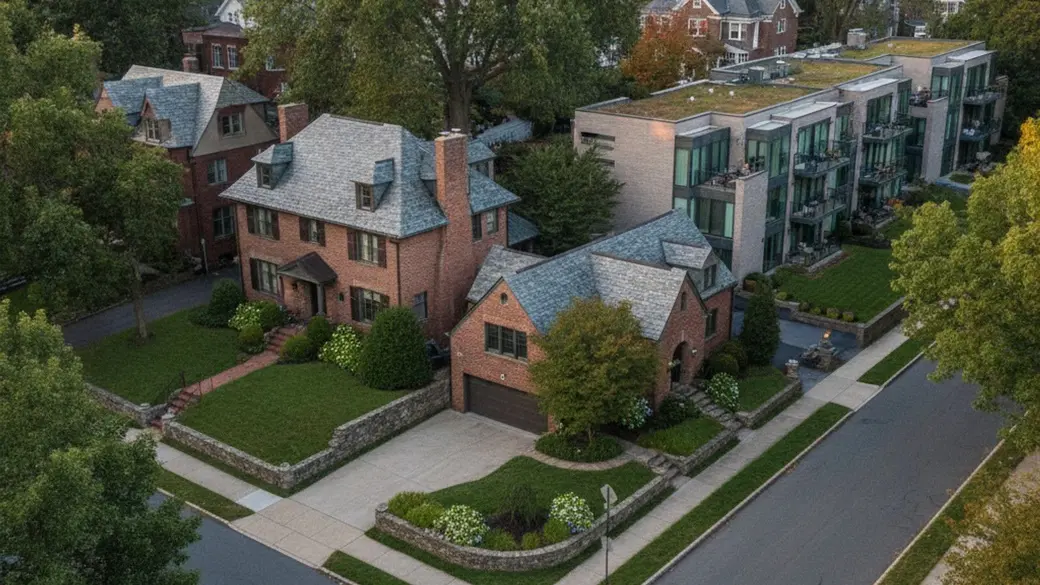
Towson, MD, is a Census-Designated Place in Baltimore County with a population of 58,679 as of the 2024 American Community Survey. It sits just north of Baltimore City, covers 14.2 square miles, and serves as the county seat. For those buying a home in Towson, MD, these boundaries shape both local property taxes and available county services.
Most people considering a move here are running the same mental math: what do the major employers nearby cost you once you factor in housing prices, property taxes, and what your morning commute looks like at 8 a.m. on I-695? Those are the right questions. Here's what the numbers say.
The Verdict on Towson, MD
This is a competitive market - homes sell in a median of 25 days, and the numbers favor sellers right now. There are real advantages here, particularly for commuters and anyone connected to the local university scene, but there are genuine trade-offs too, and glossing over them doesn't help you make a good decision.
So let's separate what's true from the neighborhood assumptions that get repeated at every open house.
Pros of Living in Towson
- Access to major highways like I-695 makes commuting into Baltimore straightforward.
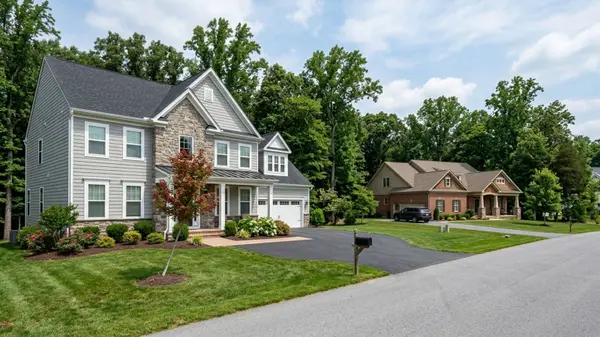
- The area maintains a large inventory of housing types, from historic single-family homes to modern condominiums.
- Residents have immediate access to major retail centers and a walkable downtown district.
Cons of Living in Towson
- Homes often sell for above the listing price, with recent data showing an average sale-to-list ratio of 101.4%.
- Property taxes and utility costs run higher than in some rural Maryland counties.
- The population density of 4,146 people per square mile leads to regular traffic congestion during rush hour.
Factors to Weigh
The local climate is standard Mid-Atlantic - hot summers, cold winters - which means you're budgeting for both cooling and heating, not picking one or the other. That's not a dealbreaker, but it's worth building into your cost-of-living estimate.
On the infrastructure side, residents receive county water and sewer services, billed separately from local property taxes. It's a detail that catches some buyers off guard when they're doing initial budget math, so it's better to know now.
Where Towson Is Located and Its County Lines
Towson sits squarely in Baltimore County and operates as the county seat - not an incorporated city, which matters for how taxes and services are structured. It borders neighborhoods in northern Baltimore City, so the transition between urban and suburban here is more of a gradual shift than a hard line.
The commuting backbone is Interstate 695, the Baltimore Beltway, which runs directly through Towson's northern section. Interstate 83 is close by as well, giving you a direct shot south into downtown Baltimore or north toward Pennsylvania.
Location and Baltimore Access
The most recent Census estimates put 58,679 residents within those 14.2 square miles - roughly 4,146 people per square mile. World Population Review projects a 2026 population of 58,257, which reflects slow, steady growth of about 0.33% annually since the 2020 Census count of 57,542. This isn't a place that's exploding with new residents, but it's not shrinking either.
Towson Crime Statistics and Data Sources
Two sources put the numbers in different places, and you should know both. According to NeighborhoodScout's analysis of 2024 FBI data (released in October 2025), Towson has a crime rate of 31 incidents per 1,000 residents. According to 2025 data from CrimeGrade.org, the overall crime rate was 50.57 per 1,000 residents, breaking that down to 3.707 for violent crime and 32.22 for property crime per 1,000 residents.
The gap between those two figures is exactly why relying on a single aggregate score for a 14-square-mile area doesn't tell you much. The block you're considering and the block two miles away are not the same story.
How to Research Local Figures
Baltimore County runs an interactive crime data dashboard, launched by County Executive Johnny Olszewski, that tracks Part 1 Crime data - homicide, robbery, aggravated assault, burglary, and motor vehicle theft - from 2017 to the present. It updates monthly and lets you filter by date and location.
Use that tool. Look at specific streets and zip codes, not county-wide averages.
The Cost of Living and Housing Prices
As of June 2026, the median sale price for a home in Towson is approximately $480,000. Data USA reported a 2024 median property value of $469,000, so the trajectory is clearly upward. Inventory is tight - about 1.9 months of supply and roughly 115 active listings - and nearly half of all homes here close above asking. If you're expecting a relaxed purchase process, this market will correct that expectation quickly.
Home Prices and Rent
For renters, average one-bedroom apartments run around $1,657 per month. On the purchase side, median sold prices are hovering around $226 per square foot.
Based on May 2026 data from Movoto, buying a $429,000 median-listed home with 25% down works out to about $2,430 per month in housing expenses. Assuming housing takes up 35% of a budget, you'd need an annual income of roughly $83,400 to carry that comfortably. That's the math - your situation may differ, but that's the baseline worth knowing.
Towson Population and Age Profile
Census Reporter's 2024 5-year data puts Towson's median household income at $101,320. For context, the broader Baltimore-Columbia-Towson metro area median is $99,470, and Maryland's statewide median is $103,678. The national median sits at $80,734, so Towson's local figure runs about 25% above that. The community is a mix of university students, working professionals, and retirees - which you can see clearly in the age breakdown.
Growth and Age Profile
The median age is 33.6 years - 34.7 for males and 32.4 for females. About 23.6% of residents fall in the 15 to 24 bracket, which reflects the university presence directly. Another 24.3% are between 25 and 44. Roughly 18% of the population is 65 or older.
That's a genuinely mixed demographic, not a monoculture, though your experience of that mix will depend a lot on which part of Towson you end up in.
Comparing Towson to Nearby Alternatives
Buyers routinely weigh Towson against neighborhoods in Baltimore City and the suburbs just to its north - Lutherville and Timonium specifically. The honest comparison is this: Towson is denser and more commercial than either of those northern suburbs. That's not a judgment, just a fact worth knowing before you start touring.
The city versus Towson question usually comes down to property taxes and housing style. Towson residents pay Baltimore County taxes, structured differently than Baltimore City rates. And the housing stock here leans toward detached single-family homes with yards rather than the dense rowhomes that define much of the city.
Cost, Commute, and Housing Tradeoffs
If you work downtown, living in Towson adds commute time compared to being inside the city limits. The I-695 access, though, makes reaching other suburban employment centers faster - so it cuts both ways depending on where you're headed each morning.
Homes here average 25 days on the market. Buyers who want more time to think can look at some of the rural pockets nearby, but that trade-off is real: you're giving up proximity to major retail and most of the urban amenities that make Towson's price point what it is.
Specialized Housing: Senior, Assisted, and Sober Living
With roughly 18% of the population aged 65 or older, there's genuine demand for specialized housing here, and the supply reflects that. Baltimore County's zoning allows for various residential care facilities within Towson's boundaries, so options range from independent 55+ communities to facilities with daily medical support.
Assisted and Sober Living Facilities
Assisted living centers in Towson tend to cluster near major commercial corridors, which puts them close to county services and healthcare providers - a practical consideration for families evaluating options for aging relatives.
Sober living homes also operate within the area, integrated into traditional residential neighborhoods rather than isolated facilities. The location within Towson gives residents access to local employment opportunities and public transit, which matters for people rebuilding routines.
Amenities in Towson by Life Stage
Towson's 58,679 residents have access to a commercial downtown district, public parks spread across the 14.2 square miles, and healthcare options that don't require a trip into Baltimore City. The Baltimore County Public Schools system manages educational facilities here, and the area includes a range of healthcare clinics and regional hospital branches operating directly in the community.
Parks, Dining, and Healthcare
The parks department maintains green spaces and athletic fields throughout town. Downtown Towson is the main commercial hub - dining, retail, and the university campus are all concentrated there, which makes it convenient but also means that area absorbs most of the foot traffic and congestion.
For medical care, residents have local hospitals and outpatient centers available without heading into the city. That matters at both ends of the age spectrum - for university students and for the 18% of the population that's 65 and older.
Frequently Asked Questions
Is it expensive to buy a house in Towson compared to the rest of Baltimore County?
Yes. Towson generally commands higher prices than the broader county average. The median sale price sits around $480,000, nearly half of all recent sales closed above listing price, and buyers need an estimated annual income of roughly $83,400 to manage a typical purchase here.
Do homes in Towson, MD fall under Baltimore City or Baltimore County property taxes?
Baltimore County. Because Towson is an unincorporated Census-Designated Place within Baltimore County, residents don't pay Baltimore City taxes.
Is Towson a good place for families, or does it feel too much like a college town?
It depends on where in the 14.2 square miles you're looking. The 15-to-24 age bracket makes up about 23.6% of the population because of the local universities, but the area also has plenty of single-family subdivisions and parks. The feel shifts considerably depending on how close you are to the campus and downtown commercial districts.
How bad is the daily commute from Towson to downtown Baltimore?
It varies by location and time of day. Most drivers take I-83 south into Baltimore City, which sees standard rush-hour congestion. The population density of 4,146 people per square mile means local surface streets back up during peak travel times as well - it's not just the highway.
What are the biggest downsides or complaints about living in Towson?
Cost and traffic come up most. With only 1.9 months of housing supply, buyers are routinely pushed into above-asking bids. The density and proximity to major highways mean vehicle congestion is a consistent daily reality, not an occasional inconvenience.
How does living in Towson compare to nearby suburbs like Timonium or Lutherville?
Towson is more commercial and more densely populated than either. It has a walkable downtown and major retail; the northern suburbs offer more spread-out housing and lower population density. Both areas have access to the I-695 corridor, so the commuting infrastructure is similar - it's the day-to-day environment and housing stock that differ.
Categories
Recent Posts
GET MORE INFORMATION

Sales Director, Realtor License ID: MD: 662897 / PA: RSR005460
+1(410) 905-6678 | mike@mykeyhometeam.com