
The Job Market in Owings Mills, MD: Local Opportunities & Commuter Access
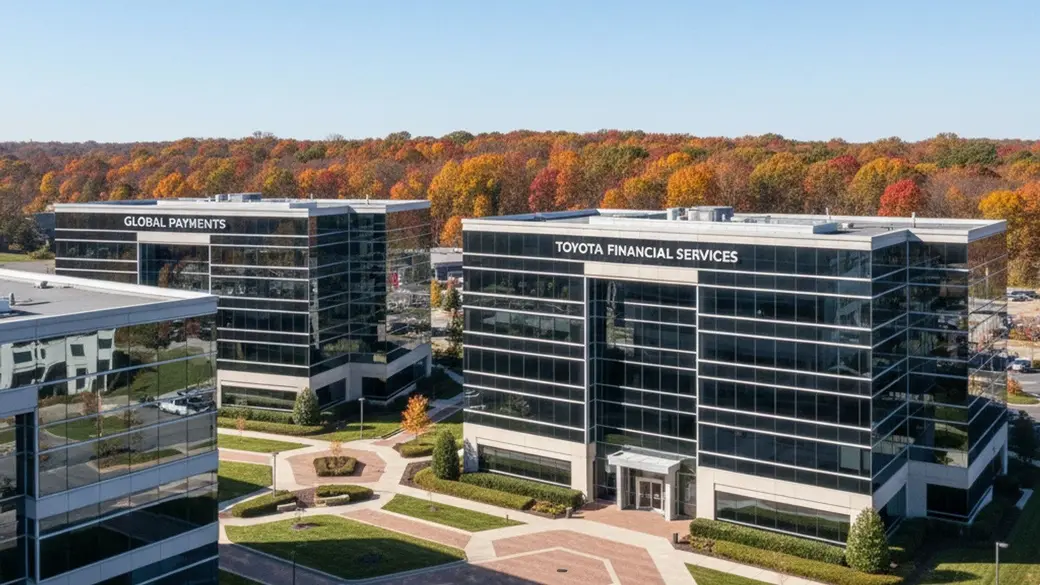
If you are thinking about moving to Baltimore County, the economic landscape of your potential new neighborhood is just as important as the floor plan of the house. Owings Mills has evolved significantly over the last decade. It is no longer just a quiet bedroom community where people sleep before driving into the city. Today, it stands as a thriving economic hub in its own right.
What makes this area unique is its "dual-threat" status for professionals. You have a robust local job market right in your backyard, but you also have seamless connectivity to downtown Baltimore. This balance is reflected in the numbers. The median household income in Owings Mills hovers around $96,243, significantly higher than the Baltimore City average of approximately $59,623. For those considering living in Owings Mills, these figures suggest a level of economic stability that supports a comfortable lifestyle and strong property values.
Top Employers and Key Industries in Owings Mills
When we look at who is hiring locally, the diversity of industries is surprising to many newcomers. While retail is visible, the backbone of the local economy is actually formed by substantial players in finance, insurance, and healthcare.
Finance and Insurance: The Red Run Boulevard and Red Brook Boulevard corridors are powerhouses for corporate employment. Toyota Financial Services maintains a major operations center here, and Global Payments is another heavy hitter in the fintech space located right on Red Run Blvd. You will also find a significant administrative footprint for CareFirst BlueCross BlueShield.
It is also worth noting the status of T. Rowe Price. While you may see news about their headquarters moving to Harbor Point in downtown Baltimore, they retain a significant campus presence here. They remain a key part of the local employment ecosystem, even as their footprint shifts.
Healthcare and Education: If you work in the medical field, this area is a strategic home base. MedStar Health and LifeBridge Health are dominant regional employers, offering opportunities ranging from clinical roles to administrative support. On the education front, Stevenson University and the Community College of Baltimore County (CCBC) provide stable institutional employment. These aren't just seasonal gigs; they are long-term career paths that anchor the community.
Retail, Hospitality, and Service Sector Growth
Beyond the corporate office parks, there has been an explosion of service-oriented jobs. This is largely driven by two massive redevelopment projects that have reshaped the town's identity: Mill Station and Metro Centre.
Mill Station: Located on the site of the former mall, Mill Station has revitalized the local retail scene. It is an open-air center anchored by massive employers like Costco and Lowe's. The inclusion of an AMC Theatres and a Giant Food creates a steady stream of jobs in management, logistics, and customer service.
Metro Centre at Owings Mills: Distinct from Mill Station, Metro Centre offers a "New Town" vibe focused on transit-oriented living. This mixed-use development is home to a Marriott hotel and a variety of dining establishments like Eggspectation and World of Beer. The density here creates a constant demand for hospitality professionals. Additionally, Wegmans continues to be a top-tier employer in the area, known for high retention rates and competitive benefits that attract workers from all over the county.
The Commuter Advantage: Access to Baltimore City
One of the strongest arguments for buying a home here is that your job search isn't limited to the immediate suburbs. Owings Mills is arguably the most strategic location for professionals who work in downtown Baltimore but want a suburban home base.
Metro SubwayLink: This is the game-changer. The Metro SubwayLink runs directly from the Owings Mills Station to Charles Center and Johns Hopkins Hospital. It is a reliable 25 to 30 minute ride that completely bypasses the unpredictable traffic on I-83. For staff at Johns Hopkins Hospital or corporate employees at Exelon and Under Armour, this train connection makes the daily grind much more manageable.
The I-795 Corridor: For those who prefer to drive or need to reach other parts of the beltway, I-795 serves as a direct artery connecting you to I-695. This accessibility effectively expands your "local" job market to include the entire Baltimore metropolitan area. Whether you are heading to Towson, Columbia, or the inner city, you can get there relatively quickly from here.
Salary vs. Cost of Living Analysis
Understanding the financial landscape is crucial when you are weighing employment opportunities against housing costs.
Generally, salaries in the Owings Mills area - particularly in the finance and healthcare sectors - are calibrated to support a middle-to-upper class lifestyle. While housing costs here are higher than in the city, residents often find the trade-off worthwhile for the space and amenities. The area's high median household income of over $96,000 suggests that the local labor market supports the cost of living comfortably.
The rental market also reflects this professional demographic. The rise of luxury apartments, particularly around Metro Centre, caters to young professionals and empty nesters who want high-end finishes and walkability. If you are relocating to the Baltimore area and landing a job at one of the major local employers, you will likely find that your compensation aligns well with the local housing inventory.
Frequently Asked Questions
What are the biggest companies hiring in Owings Mills?
The largest employers in the immediate area include Toyota Financial Services, Global Payments, and CareFirst BlueCross BlueShield. In the healthcare sector, MedStar Health and LifeBridge Health are significant sources of employment, along with major retail anchors like Costco and Wegmans.
Is Owings Mills a good place for commuters to Baltimore?
Yes, it is one of the best locations for commuters due to the Metro SubwayLink. Residents can take a direct train from the Owings Mills station to downtown Baltimore in about 25 to 30 minutes, avoiding rush hour traffic on the highways.
What is the average salary in Owings Mills, MD?
The median household income in Owings Mills is approximately $96,243. This is significantly higher than the Baltimore City average, reflecting the concentration of professional jobs in finance, healthcare, and technology sectors.
How long is the subway ride from Owings Mills to Baltimore?
The ride on the Metro SubwayLink from Owings Mills Station to Charles Center or Johns Hopkins Hospital takes approximately 25 to 30 minutes. Trains typically run every 15 minutes during peak commuting hours.
Categories
Recent Posts

GET MORE INFORMATION

Sales Director, Realtor License ID: MD: 662897 / PA: RSR005460
+1(410) 905-6678 | mike@mykeyhometeam.com