
From Grist Mills to Modern Hub: A History of Owings Mills, MD
If you drive up Reisterstown Road today, you see a bustling hub of modern apartments, open-air shopping centers, and a direct subway line into the city. It feels like a thoroughly modern suburb. But if you dig just a little deeper, you find that Owings Mills has roots that go back well before the commuter traffic and the Costco.
This area, located about 13 miles northwest of Downtown Baltimore, has reinvented itself three or four times over the centuries. It started as a quiet milling center in the 1700s, transformed into a wealthy estate district, boomed as a suburban retail giant in the 1980s, and has now settled into its role as a mixed-use, transit-oriented community. For anyone thinking about living in Baltimore County, understanding this evolution helps explain why the town looks the way it does today.
Let’s take a look at how this patch of farmland became one of the most significant economic engines in the region.
The Origins: Samuel Owings and the "Ulm" Legacy
You can’t talk about the history here without talking about the man who gave the town its name: Samuel Owings Jr. He wasn’t just a casual resident; he was a wealthy landowner and county commissioner who essentially built the local economy in the late 1700s.
Samuel Owings saw the potential in the Gwynns Falls stream for water power. He constructed three distinct flour and grist mills along the water to process grain from the surrounding farms. These were known simply as the Upper Mill, the Lower Mill, and the Middle Mill.
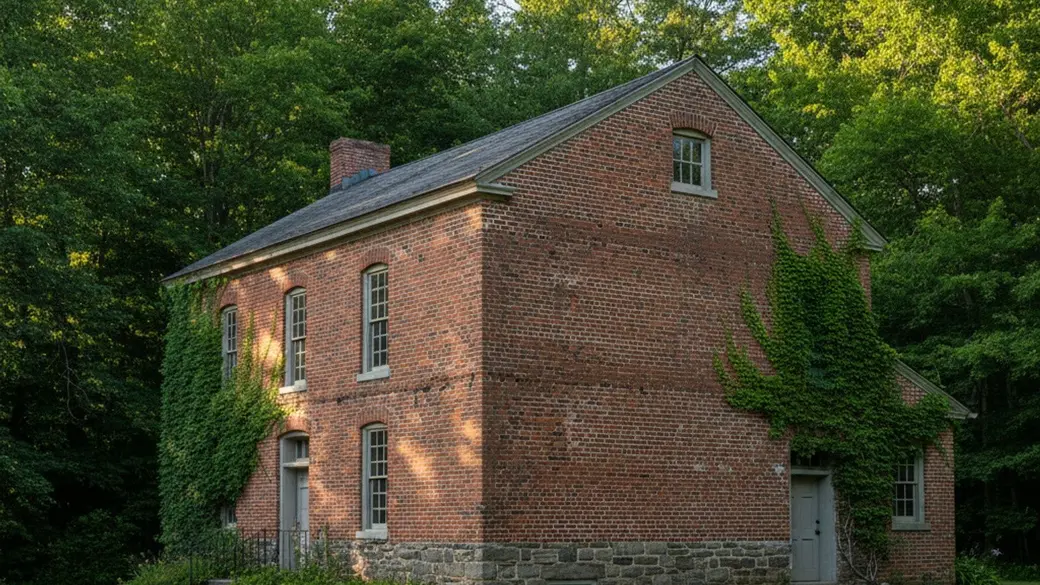
Here is a piece of local trivia that usually surprises people: Samuel Owings named his estate Ulm. While it sounds like a German city, it was actually a clever acronym for his commercial empire - Upper, Lower, Middle. While the Lower and Middle mills are long gone, the Owings Upper Mill (often called Groff’s Mill) still stands today on Reisterstown Road. Built around the 1790s, it is the oldest surviving mill in the county and a direct link to the town’s agrarian past.
19th & Early 20th Century: Railroads and Institutions
For a long time, if you lived here, you were likely working the land or the mills. But as the 19th century rolled on, infrastructure began to connect this quiet corner of the county to the rest of the world. The Reisterstown Road turnpike became a major thoroughfare for trade, but the real game-changer was the iron horse.
The Western Maryland Railway arrived in 1859. Suddenly, getting goods to Baltimore City wasn't an all-day wagon trek; it was a scheduled shipment. This rail connection cemented the area's status as a trade hub rather than just a farming village.
During this era, the state also began looking for open land for major institutions. In 1888, the Rosewood Center (originally known as the Asylum and Training School for the Feeble Minded) was established. While its history is complex, its presence dominated the local landscape for over a century, employing many locals and taking up a massive footprint of land that is only now being repurposed.
The Suburban Boom: The Mall & The Metro (1980s-2000s)
Fast forward to the late 20th century, and the mills were history. The new industry was retail and residential growth. In 1979, Baltimore County designated Owings Mills as a town center and a primary growth hub. They wanted to create a "downtown" for the northwest suburbs, and they succeeded.
Two massive projects defined this era. First was the opening of Owings Mills Mall in 1986. Longtime residents remember that this wasn't just any mall; it opened as an upscale "fashion mall" with high-end anchors like Saks Fifth Avenue. It was the place to be seen and the primary shopping destination for miles around.
The second major shift was the arrival of the Baltimore Metro Subway in 1987. By placing the northern terminus of the subway here, the county effectively linked the suburb directly to downtown Baltimore. This turned the area into a true bedroom community, making commuting from Owings Mills a viable option for thousands of city workers.
Modern Transformation: Mill Station & Metro Centre
Real estate and development never stand still. By the 2010s, the era of the enclosed mall was fading across America, and Owings Mills was no exception. The once-glamorous mall sat largely vacant for years until it was finally demolished in 2017.
But this decline paved the way for a massive modernization effort. The site of the old mall has been reborn as Mill Station, a $108 million open-air lifestyle center completed around 2019. Instead of an enclosed maze, it now hosts major conveniences like Costco and Lowe’s, reflecting how modern residents actually shop.
Simultaneously, the area around the subway station transformed into Metro Centre. This is a prime example of Transit-Oriented Development. It brings together a massive branch of the county library, a campus for the Community College of Baltimore County (CCBC), and residential units all in one walkable footprint. The goal was to shift from a car-centric suburb to a connected, mixed-use community where you can grab a book, take a class, and catch a train without moving your car.
Historic Landmarks You Can See Today
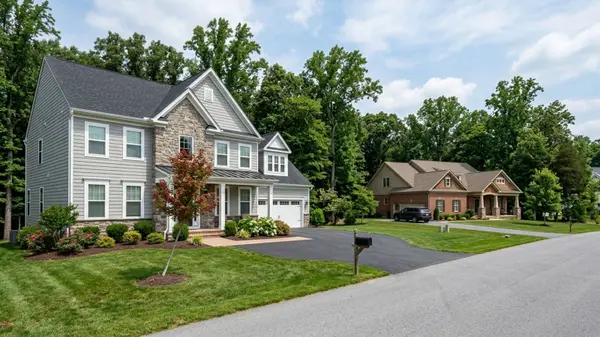
Even with all the new construction homes in Owings Mills and modern retail centers, you can still find physical reminders of the past if you know where to look.
-
Owings Upper Mill: Located right on Reisterstown Road, this brick structure is the last physical link to Samuel Owings’ original trio of mills.
-
St. Thomas Church: This Anglican church was built way back in 1742. Samuel Owings himself donated land for it, and it remains a stunning example of colonial architecture.
-
Soldiers Delight Natural Environment Area: While not a building, this area has deep historical roots. It is a serpentine barren that was mined for chromite in the 19th century and is now a rare ecosystem perfect for hiking.
-
The Meadows: This was the historic home of the Owings family. It is one of the oldest homes in the area, showcasing the architecture of the founding era.
Frequently Asked Questions About Owings Mills History & Location
Why is it called Owings Mills?
The name is a direct reference to Samuel Owings Jr. and the three water-powered grist mills he operated along the Gwynns Falls in the late 1700s. He was the area's most prominent landowner and businessman at the time.
Is Owings Mills, MD a good place to live?
Owings Mills offers a blend of suburban space and urban convenience that appeals to many. With the redevelopment of Mill Station and Metro Centre, residents have immediate access to shopping, dining, and the county library. Additionally, the presence of the Metro Subway station makes it a strategic location for commuters who want easy access to downtown Baltimore without living in the city center.
How far is Owings Mills from Baltimore?
Owings Mills is approximately 13 miles northwest of Downtown Baltimore. Depending on traffic, it is usually a 25 - 30 minute drive via I-795, or a similar travel time using the Metro Subway from the Owings Mills station to Charles Center.
Categories
Recent Posts
GET MORE INFORMATION

Sales Director, Realtor License ID: MD: 662897 / PA: RSR005460
+1(410) 905-6678 | mike@mykeyhometeam.com