
What to Expect: Pros and Cons of Living in Owings Mills, MD
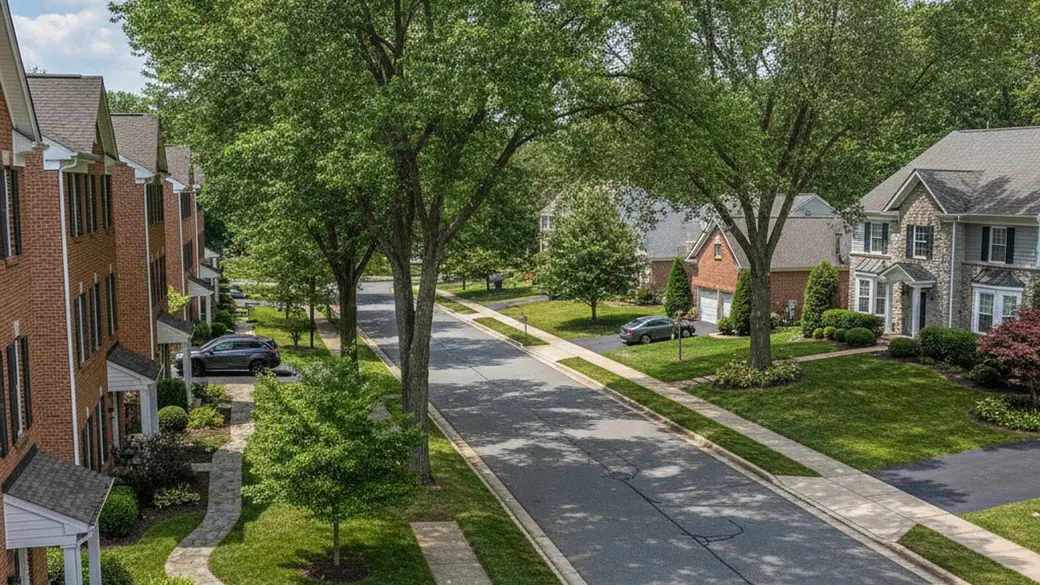
If you're shopping outside Baltimore, Owings Mills probably comes up early in the conversation. Anyone buying a home in Owings Mills, MD will find a suburban market with a real mix of housing types, solid transit access, and enough commercial infrastructure to make daily life convenient - without being downtown.
The market here moves at a steady pace. As of mid-2026, the median home sale price sits around $380,000, and homes are typically spending about 40 days on the market before closing.
Weighing the Good and the Bad in Owings Mills
This is a Baltimore County suburb, so the practical questions that matter are concrete ones: What does housing actually cost? How bad is the commute? What's the infrastructure like? Every market has its tradeoffs, and Owings Mills is no different.
Before you start scheduling tours, sit with both sides of the ledger - the benefits and the drawbacks - so you know whether the local inventory actually fits your budget and your lifestyle.
Top Benefits of the Area
Direct access to the Baltimore Metro SubwayLink is one of the more tangible advantages here. If you work in the city, that rail connection makes the daily commute straightforward without putting you on the highway every morning.
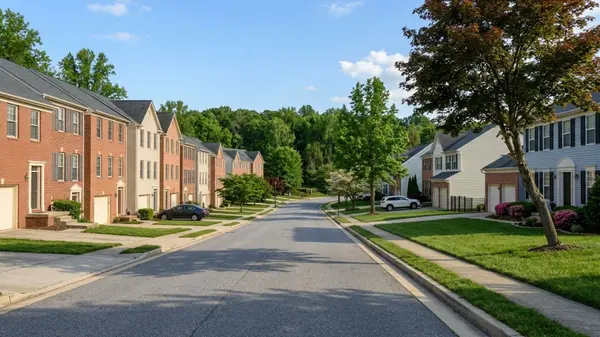
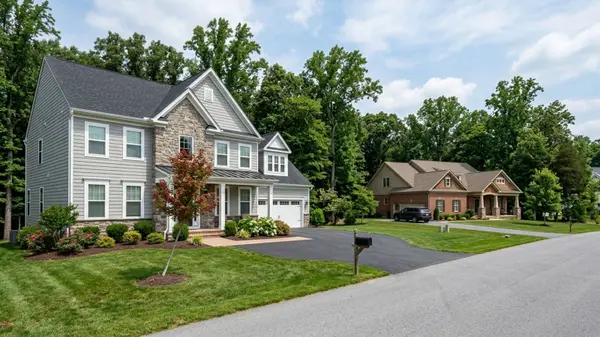
Housing inventory is genuinely varied - townhomes, detached single-family houses, newer developments. The median household income is roughly $96,243, which runs slightly below the broader Baltimore-Columbia-Towson metro area but sits about 20% above the national median.
Common Drawbacks to Consider
Traffic on Reisterstown Road and the I-795 corridor during peak hours is the complaint you'll hear most often. Those main arteries can add real time to your day if you're driving.
The price point also demands a serious budget. With a median listing price around $405,000, buyers putting 25% down generally need a yearly household income of roughly $78,600 to keep housing costs manageable.
Location Details and Population Breakdown
Owings Mills is a census-designated place sitting entirely within Baltimore County, covering about 9.57 square miles - mostly land, with a small fraction of water.
Recent 2024 American Community Survey estimates put the population at roughly 37,245 residents, ranking it 29th most populous in Maryland. The median age is 33.4 years. According to Point2Homes data, about 30.4% of residents fall between 25 and 44, another 25% are 45 to 64, and 9.4% are 65 or older.
Understanding Local Crime Statistics
Crime data here takes some unpacking, so don't just skim a single number and move on. The Baltimore County Police Department is the primary law-enforcement agency, and they've reported year-over-year reductions in major crime categories since moving to NIBRS reporting.
Third-party aggregators work from those same reports but present the numbers differently. BestPlaces puts the violent crime rate at about 36.7 per 1,000 residents and the property crime rate at 57.0 - both above national averages of 22.7 and 35.4, respectively. NeighborhoodScout reports an overall crime rate of about 26 crimes per 1,000 residents, with a 1-in-38 chance of experiencing a violent or property crime, and flags a notably high rate of motor-vehicle theft compared to national figures.
How to Research Specific Neighborhoods
General numbers only get you so far. The Baltimore County Police Department maintains a public crime map and portal where you can search specific addresses, which is a much better tool than a zip code-level average.
The FBI's Uniform Crime Reporting (UCR) and NIBRS databases offer detailed, localized statistics as well. Use those primary sources to look at the specific subdivision or street you're actually considering - not the area in aggregate.
Housing Costs and Everyday Expenses
As of mid-2026, MLS data shows the median sale price in Owings Mills at approximately $380,000, with a slight year-over-year increase. Inventory is relatively tight - around 62 active listings and 2.7 months of supply. Homes are selling close to ask, averaging a 99.7% sale-to-list ratio, and about 43% are going above list price.
Census ACS data from 2024 puts the median property value at $361,000, roughly 1.09 times the national median. Zillow's estimates run a bit higher at around $396,493.
Renting vs. Buying
Plenty of residents rent here before committing to a purchase. Niche reports a median rent of $1,815 per month, and a meaningful portion of the local population rents rather than owns.
If you're buying, run the real numbers. A $380,000 purchase with standard financing will push monthly housing costs above that median rent figure, so the decision comes down to your down payment, current interest rates, and how long you're planning to stay.
Climate Risks and Local Amenities
Environmental exposure is part of the checklist in Maryland, not an afterthought. First Street Foundation offers interactive flood maps and climate risk reports specific to Owings Mills, so you can check individual properties for flood exposure before you're under contract.
Air quality is worth a look too. Augurisk assigns the area a moderate Air Pollution Hazard Score of about 45.94, based on readings from the nearest AQI monitor - located roughly 18.8 miles away in Howard County.
On the amenities side, the area has commercial retail, dining, and public parks. Metro Centre, in particular, puts retail and professional services directly within reach for local residents.
Comparing Owings Mills to Baltimore and Neighboring Towns
The comparisons buyers make most often are to downtown Baltimore and nearby suburbs like Towson or Pikesville. The differences are real but specific: housing density, how you get around, and what you pay in property taxes.
Owings Mills has more detached single-family homes and townhouses with dedicated parking than you'll find inside Baltimore city limits. The tradeoff is that living further out means more reliance on a car or the Metro SubwayLink for daily travel. Property taxes and utility rates also differ between Baltimore City and Baltimore County, so when you're comparing the two jurisdictions, look at the combined cost of the mortgage, county taxes, and commuting expenses together instead of only the purchase price.
Specialized Housing and Care Facilities
Owings Mills has several specialized housing options for residents with specific lifestyle or medical needs, including dedicated senior living communities and assisted living facilities for older adults who require daily support.
The area also has sober living homes designed to support individuals in recovery. These facilities operate within Baltimore County's residential framework and are located near local healthcare services.
Schools, Healthcare, and Community Resources
Public schools here fall under Baltimore County Public Schools (BCPS), a single consolidated district covering the entire county. The Owings Mills subdistrict includes 17 elementary schools, 8 middle schools, and 6 high schools. Owings Mills High School, at 124 Tollgate Road, is one of the primary facilities serving local students. The 21117 zip code alone has five public schools and six private schools.
Healthcare access is supported by regional clinics and proximity to the major hospital networks in greater Baltimore. Primary care and specialized services are within a short drive of most residential neighborhoods.
Frequently Asked Questions
Is the cost of living in Owings Mills, MD higher than the rest of Baltimore County?
It's generally in line with or slightly above the Baltimore County average. With a median home price around $380,000 and a median household income of $96,243, housing costs require a solid budget compared to some of the more rural parts of the county.
How easy is the daily commute from Owings Mills to downtown Baltimore using the Metro SubwayLink?
The Metro SubwayLink runs a direct, rail-based connection from Owings Mills into downtown Baltimore. It's a reliable alternative to driving, particularly during peak hours when I-795 and Reisterstown Road get congested.
What are the biggest downsides or common complaints about living in Owings Mills?
Traffic along Reisterstown Road comes up most often. The property crime and motor-vehicle theft rates reported by NeighborhoodScout are also factors worth reviewing before you decide.
How does buying a home in Owings Mills compare to neighboring suburbs like Towson or Pikesville?
Owings Mills tends to have newer housing developments and townhome communities compared to the older housing stock in Pikesville. Towson generally carries higher median home prices and a different commercial layout. All three share the same Baltimore County public school district.
Are newer mixed-use developments like Metro Centre making Owings Mills more walkable?
In those specific commercial pockets, yes - Metro Centre clusters retail, dining, and transit together in a way that's genuinely walkable. The broader Owings Mills area, though, remains primarily car-dependent for everyday errands.
Is Owings Mills a good fit for young professionals and families looking to buy their first home?
That really comes down to your budget and commute needs rather than your household type. Owings Mills has entry-level townhomes, direct Metro access to Baltimore, and 11 local schools in the 21117 zip code - practical infrastructure for a range of buyers.
Categories
Recent Posts
GET MORE INFORMATION

Sales Director, Realtor License ID: MD: 662897 / PA: RSR005460
+1(410) 905-6678 | mike@mykeyhometeam.com